Commercial Service

Moving Into a New Office Park in St. Johns County

Being first into a new Nocatee or CR 210 building means moving around a pending occupancy date, an unreleased elevator, and contractors still in the halls.

(904) 209-9277
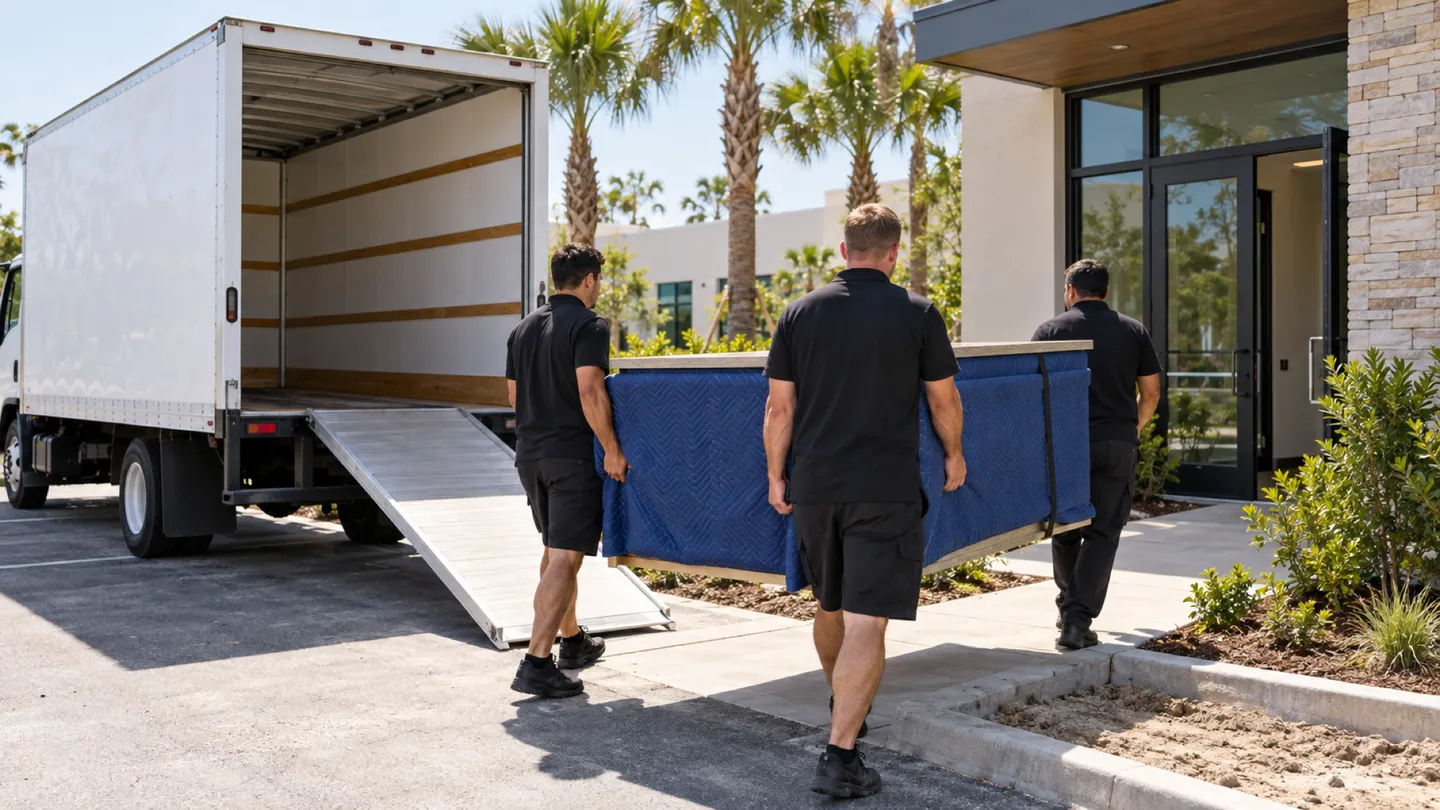
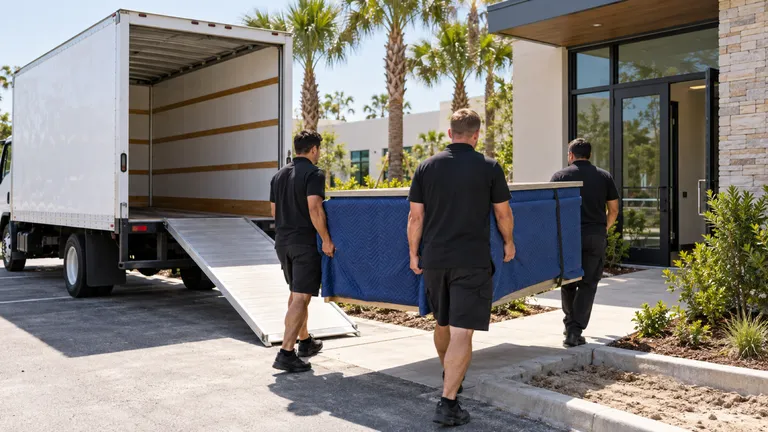
New Office Park Move-Ins moving in St. Johns County and Jacksonville: moving crew at work
  • Licensed & Insured Fully Covered
  • Owner-Operated By Devin Vangel
  • Northeast Florida St. Johns + Duval + Beyond

Start your free commercial move quote

verified For estimate purposes only credit_card_off No credit card required

How We Plan New Office Park Move-Ins

Moving into a brand-new office building is different from moving into a new suite in an old one. When you are among the first tenants, the building itself is still being finished. The certificate of occupancy may be days or weeks behind the date on your lease, the elevator may run but not yet be released for loaded carts, the dock may still belong to the general contractor, and the parking lot may be half paved with the landscaping crew working around it.

We plan these moves in stages that follow the building, not the calendar. Early on, we walk the site with your facilities lead and the developer’s or property manager’s contact to learn which door, elevator, and truck position will be released to tenants, and when. Then we set a main date and a backup, both tied to the occupancy date rather than guessed. The week before, we walk the route again, because in a new building it changes: a door gets its final hardware, a corridor gets carpet, a dock opens. On move day we load in room order and place contents to your floor plan, working around punch-list crews finishing the halls.

Who usually signs off
Tenant facilities lead or office manager, with the developer or property manager confirming building access
Timing that works
A main date set only after the certificate of occupancy is issued and the developer releases the entrance and elevator, with a second date held in case either slips or a storm intervenes

What typically moves

  • Reception desk and lobby seating Wrapped and carried across new entry tile on runners, then placed to the lobby plan once the builder clears that area.
  • Open-plan desks and seating Labeled to the seat plan for each floor; our crew plugs every desk’s computer and monitors back in once the desk is set.
  • Conference and training-room tables Measured against the released elevator cab and new door frames before loading, since long tops are what fail first.
  • Private-office furniture and files Placed room by room as each office passes final cleaning; cabinets travel empty or locked, as your staff prefer.
  • Break-room tables and freestanding appliances Set after the millwork and counters are finished; installed appliances belong to the building.
  • Opening-week cartons Kept indoors at the old office until the truck is ready, since a new building’s loading area may have no cover yet.

Access and scheduling

Two dates drive this move: the certificate of occupancy, which the developer or property manager confirms, and the release of a route the crew can use. Until the building is cleared for occupancy, tenants typically cannot move in furniture, so we will not set a firm date before the building team gives one. Once the date is set, we ask for the approved door, which elevator and when, where the truck may stand, and our insurance certificate, which new projects often want to list the general contractor as well as the owner.

New buildings often open with one elevator shared by every incoming tenant and several contractors. We book our time in writing and plan the load so long pieces ride first while the cab is free. Parking may be gravel or a far lot, which can mean a longer carry. From June through November, the backup date also covers a storm delaying the building’s final inspections.

Protection and handling

Everything in a new building is new, and the developer notices every mark. We lay runners over fresh flooring from the door to each suite, pad new door frames and corner guards, and line elevator walls before the first cart rides.

Construction crews are still around during most first-tenant moves. Our route stays clear of their work zones; we do not use a hallway they have blocked off, and do not move anything of theirs. Dust from sanding or ceiling work settles on anything left open, so furniture stays wrapped until it reaches a finished room. Summer heat is harder in a building whose air conditioning is still being balanced, so we start early and keep paper cartons out of the unfinished loading area.

Who does what

Some of this job belongs to other trades. The written plan names each one.

Occupancy approval and release of the entrance, elevator, and dock
The developer and property manager confirm occupancy and tell us which areas tenants may use; we plan inside those.
Punch list, built-in casework, and final cleaning
The general contractor and its trades finish their work and release each room; we place movable contents only in released rooms.
Network, phones, and access control
Your IT provider and the building’s security vendor bring up service and badges; we handle the desks and the equipment on them.

Not part of our work

  • Setting or advancing the occupancy date, or deciding whether a room is complete.
  • Using a dock, elevator, or corridor the building has not released.
  • Cleaning construction debris or finishing punch-list items.

Around St. Johns County and Jacksonville

Most new office and medical buildings in St. Johns County are rising along Nocatee Pkwy, CR 210, and US-1 toward St. Augustine, often opening in phases while shared parking and landscaping are finished. In Jacksonville, newer projects near St. Johns Town Center and off J. Turner Butler Blvd face the same first-tenant questions.

The crew that shows up

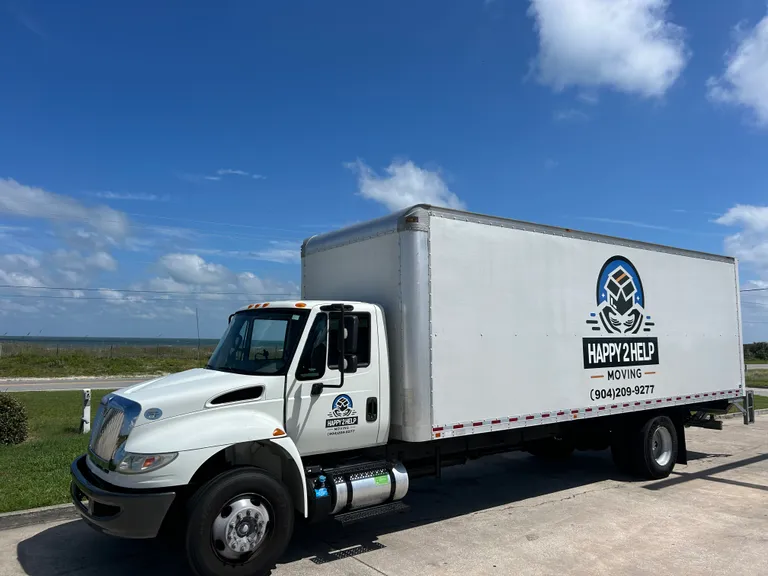
Happy 2 Help Moving crew lead in a black company poloHappy 2 Help Moving box truck with the company logo

New Office Park Move-Ins FAQs

Another question? Call (904) 209-9277.

Can we book the move before the new building receives its certificate of occupancy?

You can book the walkthrough and hold a tentative date, and it helps. We do not firm it up until the developer confirms the occupancy date, because furniture generally cannot go in before then. We keep a backup date alongside it, so a short slip moves the move rather than canceling it.

The elevator runs, but the builder hasn’t released it. Can we use the stairs?

For a few light cartons, perhaps, if the building allows it. For desks, tables, and cabinets, we wait for the release. Carrying heavy furniture up new stairs risks both the finish and the crew. Ask the property manager for the elevator release date and we plan around it.

How do you load when the permanent parking lot isn’t finished?

We ask the developer where a truck may stand safely, which can be a temporary pad or a far lot. The crew brings long-carry carts and adds hands if the walk is long. We avoid any area marked for construction traffic.

We are one of three tenants moving in the same week. How is the elevator shared?

The property manager usually assigns each tenant a block of elevator time. We confirm ours in writing, then order the load so the longest pieces ride at the start of our block. If another tenant runs over, we work the ground-floor carry and staging until the cab frees up.

Plan your business move

Tell us both addresses, the building rules you know about, and the dates you cannot move. We will send back a written plan and estimate.

Call (904) 209-9277

Mon–Sun 8:00 AM – 7:00 PM

Call Now call 904-209-9277