Business & Professional Offices

Call Center and Contact-Floor Moving in Jacksonville

Rows of agent seats moved in waves that match your shift schedule, with every headset, phone, and chair tagged to a seat number on the new floor.

(904) 209-9277
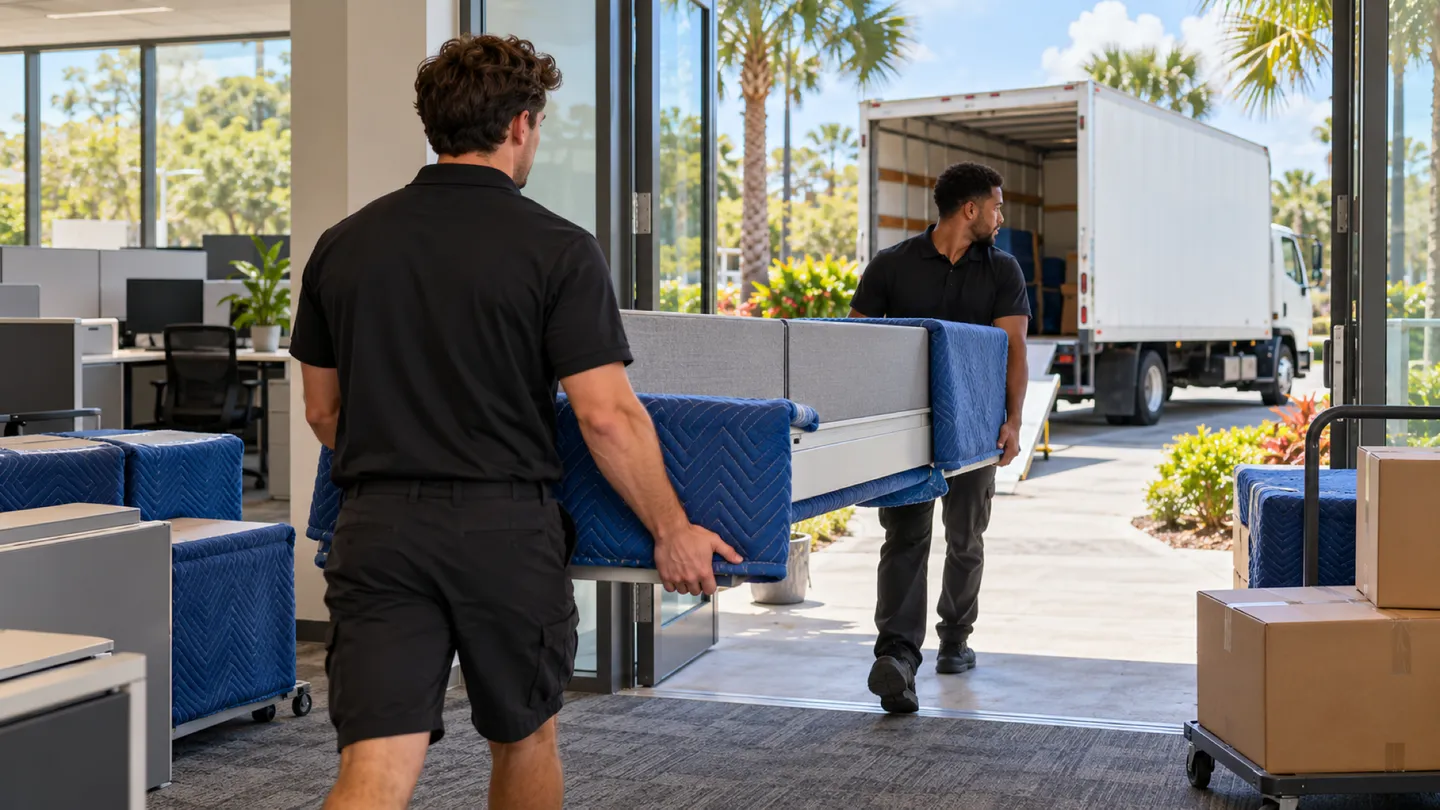
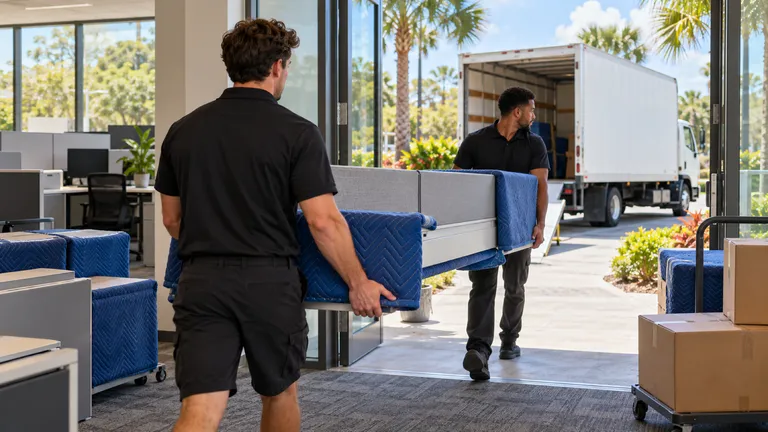
Call Center moving in St. Johns County and Jacksonville: moving crew at work
  • Licensed & Insured Fully Covered
  • Owner-Operated By Devin Vangel
  • Northeast Florida St. Johns + Duval + Beyond

Start your free call center move quote

verified For estimate purposes only credit_card_off No credit card required

Planning a Call Center Move

A contact floor doesn’t move like an office. Row after row of nearly identical seats have to reappear in the right rows, and the phones have to ring again before the next shift logs in. The plan that makes that work is written in seat numbers and shift times, not rooms.

Your workforce team knows when the forecast dips. We use that to size waves: a row, a pod, or a whole team moves between the last login of one shift and the first of the next, while your telecom lead reroutes queues to the seats still standing. Each agent’s station carries a seat tag that matches a spot on the new chart, and the headset, desk phone, or softphone headset base travels in a bag with that tag. Supervisors’ desks and the workforce management pod usually move in the first wave so the people watching the queues are seated before the agents arrive. What doesn’t move in a wave waits in place and keeps taking calls.

Who usually signs off
Site director or workforce operations manager, working with the telecom lead who controls call routing
Timing that works
Waves between the last shift of one day and the first of the next, usually midweek nights or a weekend, when forecast call volume is lowest

What typically moves

  • Agent stations in rows and pods Tagged by seat number and wave, so the crew can reset a whole row on the new floor chart without asking anyone.
  • Headsets and desk phones Each one goes in a seat-numbered bag that rides with its station, since most sites issue headsets to agents and don’t want them mixed.
  • Agent chairs Seat-tagged like the desks; ergonomic chairs set for a specific agent keep their label so that agent gets the same chair.
  • Supervisor and team-lead desks Moved in the first wave with the wallboard monitors, so floor leadership is seated when agents arrive.
  • Training room tables and chairs Often the last room to move, since new-hire classes can pause for a day more easily than live queues.
  • Break room furniture and lockers Lockers emptied by agents beforehand; tables and chairs moved in the final wave.

Access and scheduling

Back-office floors along Baymeadows Rd, at Southpoint, and in the Deerwood Park area were built for large headcounts, and their landlords have routines for large moves: freight-elevator windows, dock times, and surface-lot staging away from the main entrance. We confirm those in writing and issue whatever insurance certificate the landlord’s office requires.

Each wave follows the same pattern. Your telecom lead moves the queues off a row. We break the stations down, carry them, and set them on the new chart. Our crew plugs each agent’s computer, screens, and phone back into its jack. Your IT team logs in and makes test calls before the next shift. Traffic on I-95 and J. Turner Butler Blvd is lighter overnight, which helps the truck turn around quickly between waves.
Protection and handling

The seat chart is the most important document on this job. We tape a laminated copy at the entrance of the new floor, mark each position on the carpet before stations arrive, and walk the chart with a supervisor after each wave. If a station lands in the wrong row, we reset it before the crew leaves rather than leaving a note for the morning.

Agent screens and computers are wrapped per station and ride upright in carts. Headset bags stay with their station through the whole carry. New floors often have fresh carpet tiles, so the crew lays runners on the elevator path and main aisles before the first cart comes up. Wallboard screens come down from their wall mounts only after your facilities team releases them, and they travel in padded cartons.

Who does what

Some of this job belongs to other trades. The written plan names each one.

Call routing, the phone platform, and number porting
Your telecom lead and carrier. They move queues between the old and new seats on the wave schedule we agree on.
Network drops, switches, and agent logins
Your IT team or cabling contractor, who terminate the floor and test each seat after we set it.
Power poles and floor boxes for the new rows
A licensed electrician, finished before the first wave arrives.

Not part of our work

  • Rerouting calls, porting numbers, or configuring any phone or contact-center software.
  • Connecting stations to building power beyond plugging into an existing outlet.

Around St. Johns County and Jacksonville

Jacksonville’s contact centers and back offices are concentrated on the Southside, from Baymeadows Rd and Southpoint to the Deerwood Park area and the J. Turner Butler Blvd corridor. These are mid-rise floors with big surface lots, which suits a truck staging close to the dock overnight.

The crew that shows up

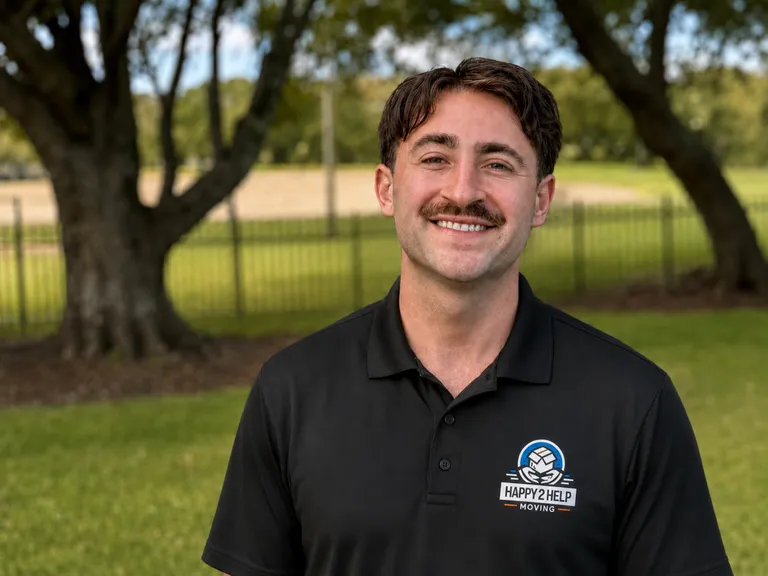
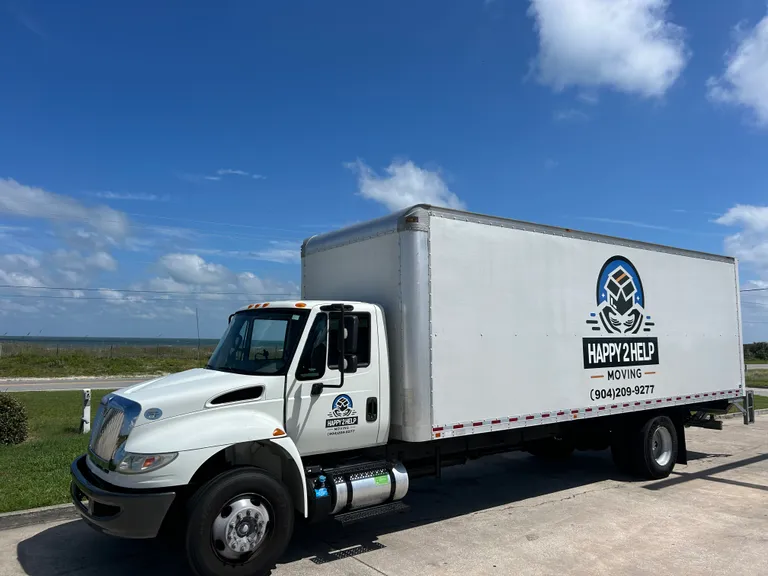
Happy 2 Help Moving crew lead in a black company poloHappy 2 Help Moving box truck with the company logo

Call Center Moving FAQs

Another question? Call (904) 209-9277.

How many seats can move in one overnight wave?

That depends on the station type, the distance, and how many elevator trips the building allows, so we size it after walking both floors. We’d rather schedule a realistic wave that finishes before the shift than a large one that runs late. The first wave often doubles as the test, and later waves are adjusted from it.

Can agents keep their own headsets through the move?

Yes. Each headset is bagged with its seat tag and stays with that station from the old row to the new one. If your site has agents take headsets home instead, tell us, and we leave them off the move list and just move the headset bases.

What happens to the seats that haven’t moved yet?

They stay live. Your telecom lead keeps queues on the remaining rows, and we work only in the zone that has been handed over. Between waves the crew stays out of the working part of the floor, and the next wave starts only after your supervisor confirms that row is logged out.

Our new floor has a different row layout. How do agents find their seats?

We mark every seat number on the new floor before stations arrive and follow your seat chart as we set them. Your team can post the chart at the door and send agents their new seat numbers before their shift, so they walk in and sit down.

Plan your business move

Tell us both addresses, the building rules you know about, and the dates you cannot move. We will send back a written plan and estimate.

Call (904) 209-9277

Mon–Sun 8:00 AM – 7:00 PM

Call Now call 904-209-9277