Property, Institutional & Government

Condo and HOA Office Moving in Northeast Florida

A small association office moved around the board’s decision, the manager’s records, and a building that is also somebody’s home.

(904) 209-9277
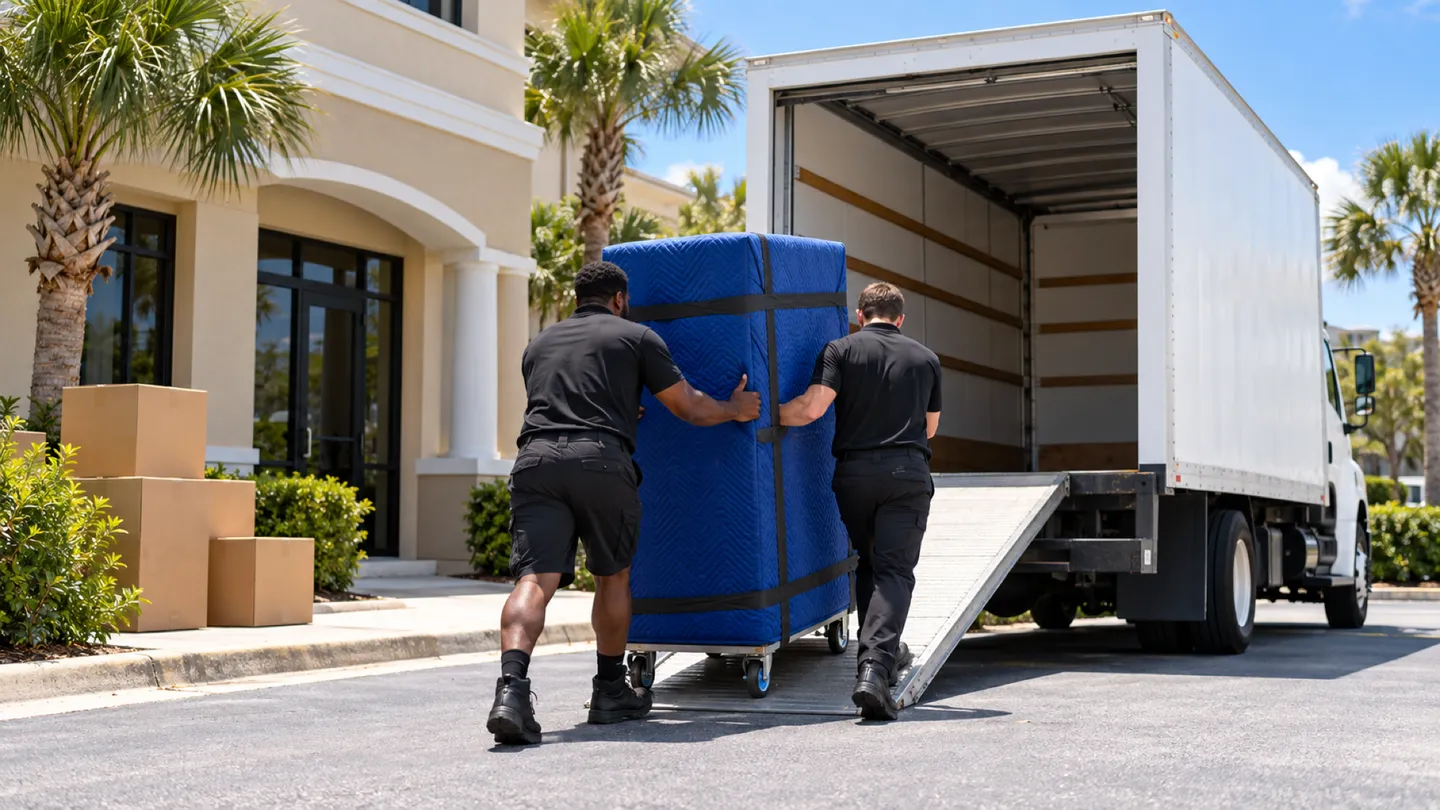
Condo & HOA Office moving in St. Johns County and Jacksonville: moving crew at work
  • Licensed & Insured Fully Covered
  • Owner-Operated By Devin Vangel
  • Northeast Florida St. Johns + Duval + Beyond

Start your free condo & hoa office move quote

verified For estimate purposes only credit_card_off No credit card required

Planning a Condo & HOA Office Move

A condominium association or HOA office is usually one or two rooms, but it’s where a building or a neighborhood keeps its memory. The community association manager’s desk sits beside cabinets of owner files, architectural review applications, insurance policies, meeting minutes, and, for Florida condo buildings of three stories or more, the milestone inspection and reserve study binders the board now keeps close at hand. Any owner may request to inspect those files, so the manager needs to lay hands on them the morning the new room opens.

The move itself usually follows a board decision: the office leaves a rented suite for a room in the clubhouse, a management company brings a self-managed association into its own office, or a building renovation pushes the manager to the ground floor for a season. We move the desk, the board table and chairs, the file cabinets, and the shelf of governing documents. The manager packs the owner files and keeps the keys, gate remotes, and fob programmer. We place each closed carton on the shelf your label names.

Who usually signs off
Association manager or board officer authorized to approve the move, with the board setting any decision required by its governing process
Timing that works
After the board approves the new office and before the next board meeting, avoiding the weeks owners are most likely to ask for records; a second date in late summer

What typically moves

  • Community association manager’s desk Desk, return, and chair moved together; our crew disconnects the manager’s computer and printer, wraps them, and hooks them up again before the office reopens.
  • Board table and meeting chairs Table leaves and bases wrapped separately, chairs stacked by the dozen, so the room can host the next board meeting.
  • Owner-file and records cabinets Moved locked and loaded when drawers and floors allow, otherwise emptied into cartons the manager numbers.
  • Governing documents and inspection binders Declaration, bylaws, rules, and building reports boxed by shelf, labeled for the same order on the new shelving.
  • Amenity check-in counter Freestanding pool-pass and guest sign-in counters padded and moved last, so residents have somewhere to ask questions.
  • Mailroom supply and notice shelving Envelopes, notice paper, and printed forms boxed by shelf; stock kept dry, because damp paper jams a printer.

Access and scheduling

The building runs on its own rules, and the association wrote them. For a condo tower on A1A or a mid-rise in Jacksonville Beach, that usually means reserving the service elevator, padding its walls, using the garage or loading door rather than the lobby, and working inside the move hours owners follow. In a gated HOA in Nocatee or Palencia, the gate staff need the truck on the vendor list before it arrives.

We schedule around the board calendar. A move in the week before a board meeting leaves the manager without the packet, and a move during budget season can land when owners are asking for records. Tell us the next meeting date and we pick a day with room on both sides. If the manager can’t close during the week, we can book the carry for a Saturday. Between June and November a second day stays pencilled in, in case a storm shuts the building.
Protection and handling

Condo corridors are shared finishes the association pays to repair, so we protect them like a resident’s unit: floor runners from the elevator to the office door, corner guards on hallway turns, and padding on door frames. File cabinets travel on dollies with straps, drawers locked or taped, so nothing slides open in the elevator.

Owner files are the association’s responsibility, and we treat them that way. Our crew doesn’t open cartons, read labels beyond the shelf number, or sort paper. Cartons the manager seals stay sealed until the manager opens them. If a cabinet is too heavy to move loaded, we tell the manager before anyone empties it, so the manager decides who packs it. The manager’s numbered cartons come off the truck in number order and wait next to their original cabinet, so refilling the drawers takes an afternoon, not a week.

Who does what

Some of this job belongs to other trades. The written plan names each one.

Owner files, keys, remotes, and fob programming
The community association manager packs, carries, or seals them and keeps the key log; we move the cabinets and closed cartons.
Board approval and owner notice
The board or its manager decides the move and tells owners where to reach the office; we plan the carry around that notice.
Access-control system and gate cameras
The association’s access-control or security vendor moves any card-reader programming station or camera recorder.

Not part of our work

  • Deciding which records the association keeps, or answering owner record requests.
  • Carrying keys, gate remotes, or owner files the manager hasn’t sealed and released.
  • Rewiring or reprogramming gate, camera, or access-control equipment.

Around St. Johns County and Jacksonville

Association offices on the First Coast range from a ground-floor room in an oceanfront condo on A1A in Ponte Vedra Beach or St. Augustine Beach to a management company suite on the Southside serving a dozen HOAs. Beach buildings see more visitors in summer, which is also hurricane season, so the service elevator is in steady demand.

The crew that shows up

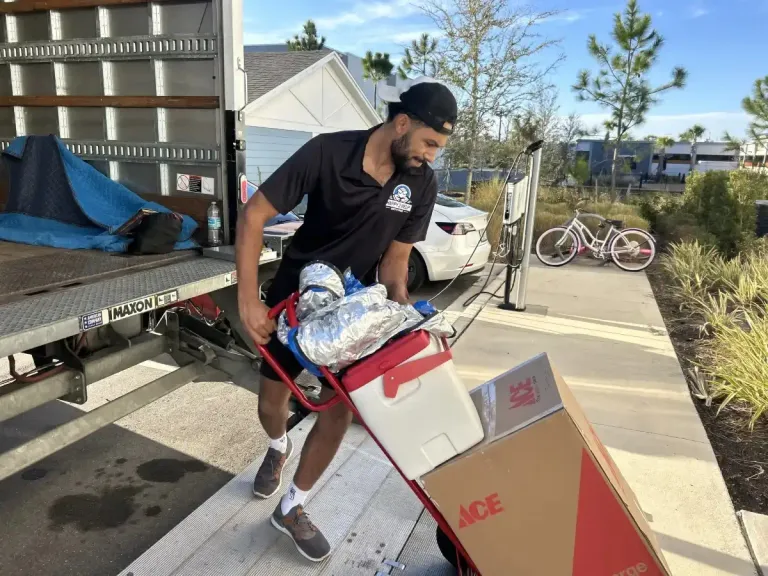
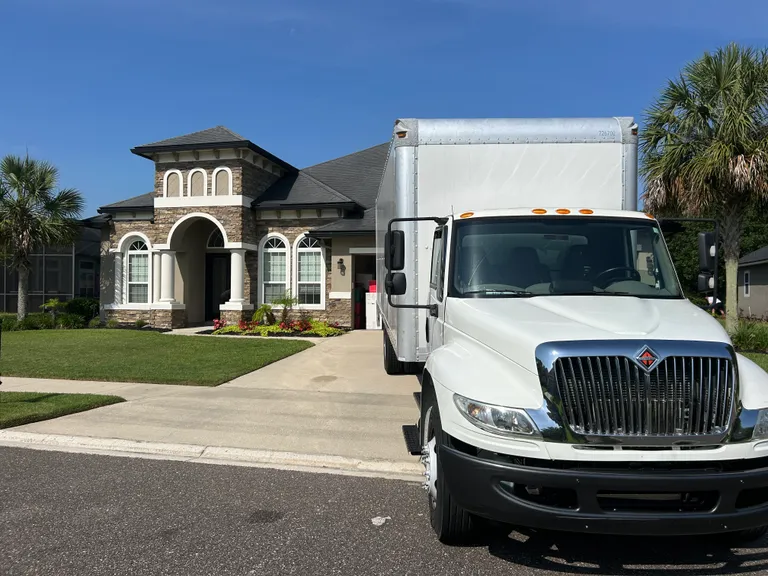
Mover in a black polo pulling a loaded hand truck off the liftgateWhite box truck at the curb outside a home with palm trees

Condo & HOA Office Moving FAQs

Another question? Call (904) 209-9277.

Do we need the board’s vote before reserving a moving date?

That’s your governing documents’ call, not ours. Many boards approve the new office location at a meeting and authorize the manager to set the date. We can pencil in a tentative day while the vote is pending and confirm once the manager has authority, so the building elevator can be reserved in time.

An owner asked to see records the week we move. What happens?

Tell us which cabinet holds what the owner asked for. That cabinet goes first and is standing in the new office ahead of the rest, or leave it in the old office until the review is done. The manager decides what’s shown; our crew carries furniture and closed boxes.

Can the file cabinets go up in the residents’ elevator?

Only if the association allows it. Most buildings want heavy loads in a service elevator with padded walls, reserved in advance through the manager. If there’s only one elevator, we plan loads for the quiet part of the day and keep trips short so residents aren’t waiting long.

We’re moving from a self-managed office into a management company’s suite. Who packs the records?

The outgoing board officer or the incoming manager packs and seals them, and both usually sign off on what was handed over. We move the sealed cartons and any cabinets to the management company’s office and place them where the new manager says.

Plan your business move

Tell us both addresses, the building rules you know about, and the dates you cannot move. We will send back a written plan and estimate.

Call (904) 209-9277

Mon–Sun 8:00 AM – 7:00 PM

Call Now call 904-209-9277