Healthcare & Medical

Medical Laboratory Moving on the First Coast

Analyzers, biosafety cabinets, and lab refrigerators belong to vendors and your lab staff. We move the benches, carts, and offices around their schedule.

(904) 209-9277
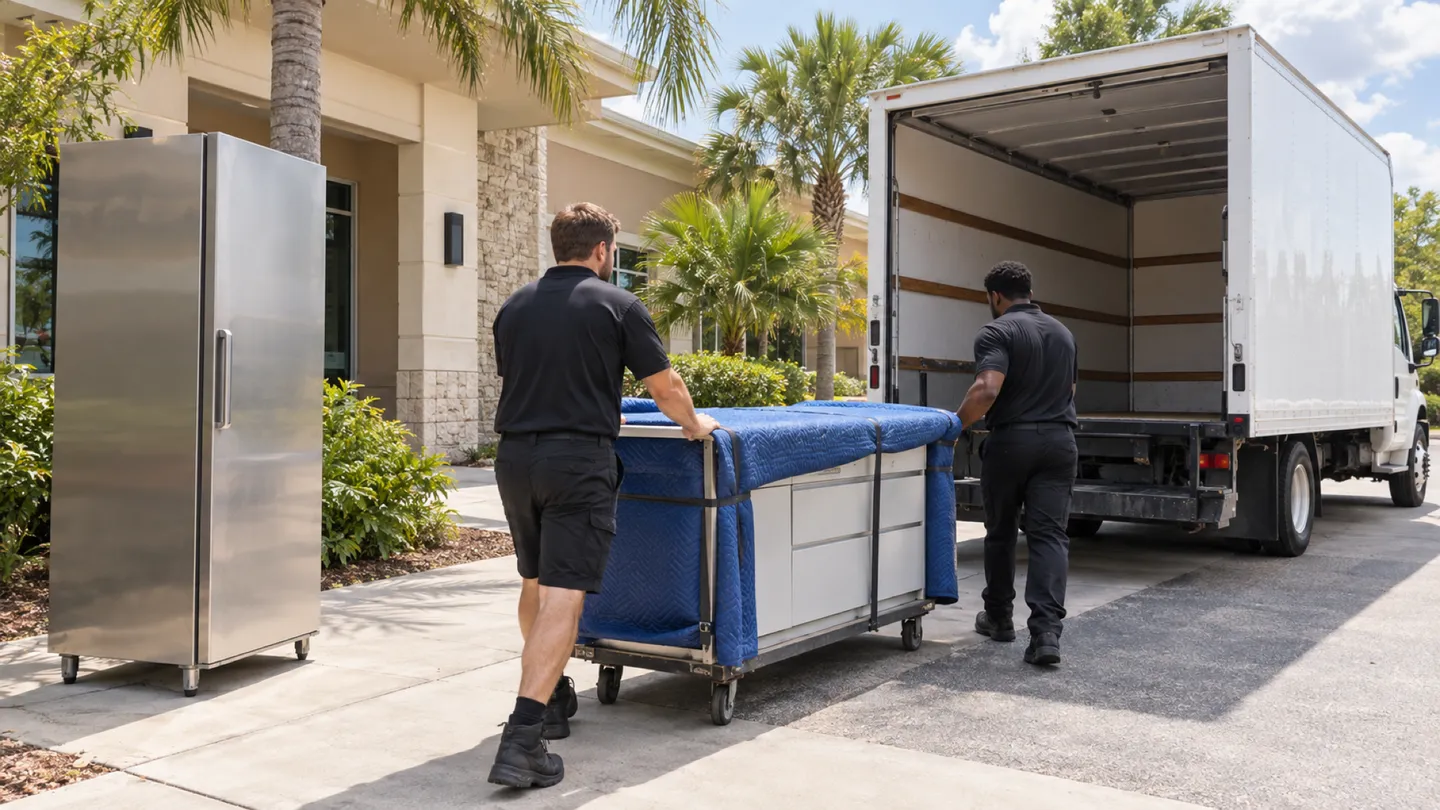
Medical Lab moving in St. Johns County and Jacksonville: moving crew at work
  • Licensed & Insured Fully Covered
  • Owner-Operated By Devin Vangel
  • Northeast Florida St. Johns + Duval + Beyond

Start your free medical lab move quote

verified For estimate purposes only credit_card_off No credit card required

Planning a Medical Lab Move

Moving a clinical laboratory is mostly a vendor schedule. Each chemistry and hematology analyzer is decommissioned by its manufacturer’s field engineer and, after the move, the lab verifies performance before reporting patient results again. Biosafety cabinets are recertified once they’re in their new location. The lab’s CLIA certificate is tied to its address, so the lab director handles that update as well. None of that is ours, and the page says so plainly.

What our crew moves is the physical lab around those instruments: mobile benches and bench-top shelving, specimen-processing tables, lab stools, wire shelving for supplies once it’s emptied, the accessioning desk, and the offices and break room. We time each load to the vendors’ visits, clear rooms for field engineers, and set benches from your floor plan so utilities and power line up where your contractor expects. Specimens, reagents, controls, and anything in a refrigerator or freezer travel with lab staff or a vendor.

Who usually signs off
Laboratory director or lab manager, with the director confirming when testing stops and restarts
Timing that works
Set by the analyzer vendors’ decommission and install dates and the lab director’s restart plan, usually a weekend

What typically moves

  • Mobile lab benches and bench-top shelving Cleared by staff, leveling feet raised, and moved upright by bench number to the new layout.
  • Specimen-processing and accessioning tables Moved once centrifuges and racks are removed; worksurfaces wrapped against scratches.
  • Lab stools and task chairs Tagged to bench numbers so each workstation is complete when it’s set.
  • Supply-room wire shelving Emptied, broken down by unit, and rebuilt before supplies arrive.
  • Freestanding lab cabinets Empty only; chemical and flammable cabinets are cleared and released by lab staff first.
  • Lab offices, the client-service desk, and the break room Desks, file cabinets, and a small fridge that staff empty beforehand.

Access and scheduling

Clinical and reference labs in Jacksonville often sit in Southside and Baymeadows office parks or in medical buildings near hospital campuses, where loading docks and freight elevators are shared. The building manager assigns a window, and we book it early so it fits the field engineers’ calendar rather than the other way around. Older buildings may have one freight elevator for the whole floor, and benches are long, so we measure the car and the corridor turns before the move and decide which benches go in pieces.

A common sequence is Friday decommission by vendors, Saturday benches and furniture, and Sunday or Monday installation and verification. Where a lab keeps a draw station open, that room moves last. We write out the order with times so each vendor knows when their room is clear, and the lab director decides when testing resumes.
Protection and handling

Lab floors and benches carry chemical-resistant finishes that scratch and chip, and bench legs catch on door frames. We pad worksurfaces, protect door frames and elevator walls, and lay runners at both sites. Benches ride upright and strapped, with shelving removed and wrapped separately.

Before loading, staff empty and wipe down every surface, drawer, and cabinet, and the lab confirms each area is clean and free of specimens, reagents, and sharps. We don’t open refrigerators or freezers, move compressed gas cylinders, or carry chemicals. If something is left in a drawer, we tape the drawer and hand it back to lab staff instead of moving it. At the new lab, each bench goes to the spot the floor plan numbers, lined up with the outlets your contractor installed, and we leave leveling and anchoring to the contractor.

Who does what

Some of this job belongs to other trades. The written plan names each one.

Chemistry, hematology, and molecular analyzers
Each manufacturer’s field engineer decommissions, moves, installs, and supports your performance checks.
Biosafety cabinets, centrifuges, and refrigerators or freezers
Your equipment vendors move them; a certifier recertifies the biosafety cabinets after they’re installed.
Specimens, reagents, controls, and chemicals
Lab staff or a specialty courier transport them under the lab’s own procedures.

Not part of our work

  • Transporting specimens, reagents, chemicals, or compressed gases.
  • Opening or moving refrigerators, freezers, or incubators with contents.
  • Disconnecting benches from plumbing, gas, or vacuum lines.

Around St. Johns County and Jacksonville

Labs on the First Coast often sit near the Southside medical buildings off Baymeadows Rd and J. Turner Butler Blvd, along San Pablo Rd by the Mayo Clinic campus, and in Nocatee’s newer medical plazas, where freight elevators and docks are shared among several tenants.

The crew that shows up

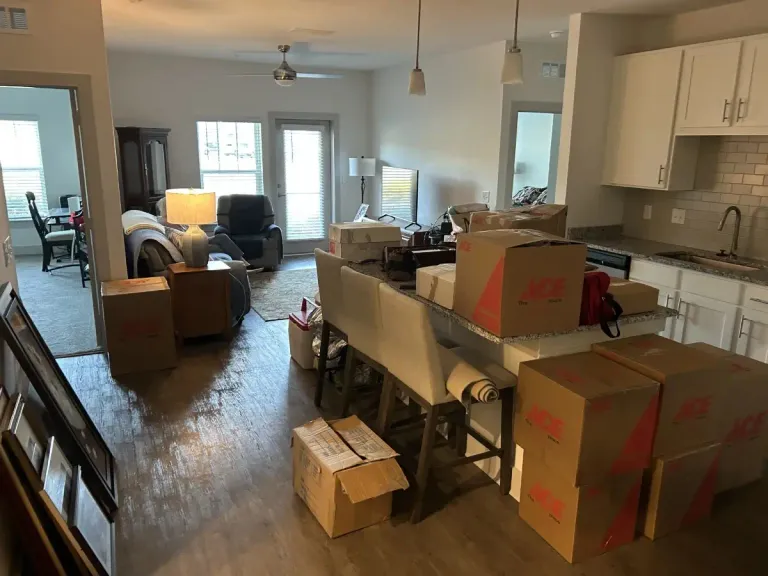
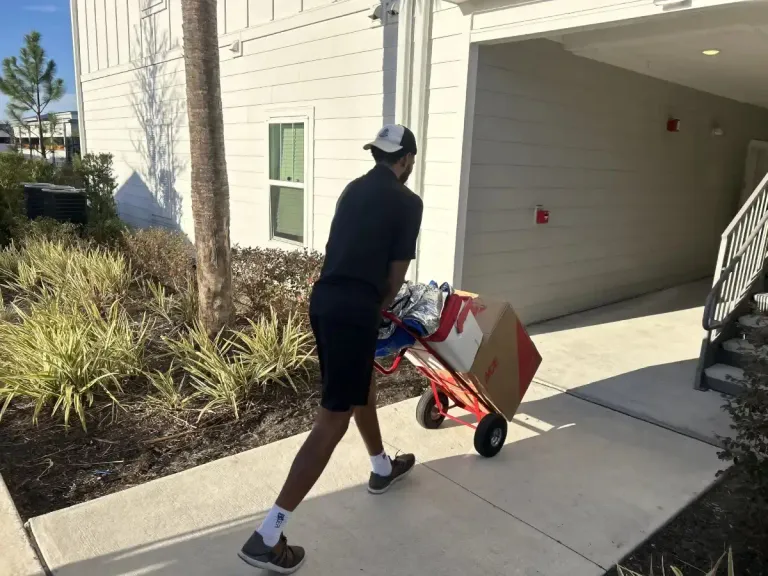
Packed boxes staged indoors partway through a moveMover wheeling a hand truck of boxes along a walkway

Medical Lab Moving FAQs

Another question? Call (904) 209-9277.

Can we keep testing while part of the lab moves?

Sometimes. If the new space can take some analyzers early, vendors can install those first and the lab can validate them while others keep running. We time bench and furniture moves to support that. The lab director decides whether a split move works for your test menu.

Our benches have integrated sinks and gas outlets. Who moves them?

Fixed casework with sinks, gas, or vacuum connections belongs to your contractor or plumber, who disconnects and reinstalls it. Mobile benches without any connections are ours to move and set. We mark each one on the floor plan so everyone knows which is which.

What happens to our reagent refrigerators?

Lab staff empty them and move the contents under your own procedures. Once empty and released by the vendor, we can move the unit upright and follow the maker’s instructions for settling time before it’s plugged in at the new site.

How far ahead should we plan a lab move?

As soon as you know your vendor dates. Field engineers’ calendars fill months ahead, and your analyzer and biosafety cabinet schedules usually set the weekend. Once those are fixed, we book the building windows and write the load plan around them.

Plan your business move

Tell us both addresses, the building rules you know about, and the dates you cannot move. We will send back a written plan and estimate.

Call (904) 209-9277

Mon–Sun 8:00 AM – 7:00 PM

Call Now call 904-209-9277