Healthcare & Medical

Specialty Clinic Moving for Outpatient Practices

Dermatology, orthopedics, GI, ENT, cardiology: each specialty has procedure rooms full of vendor equipment. We plan the rest of the suite around those visits.

(904) 209-9277
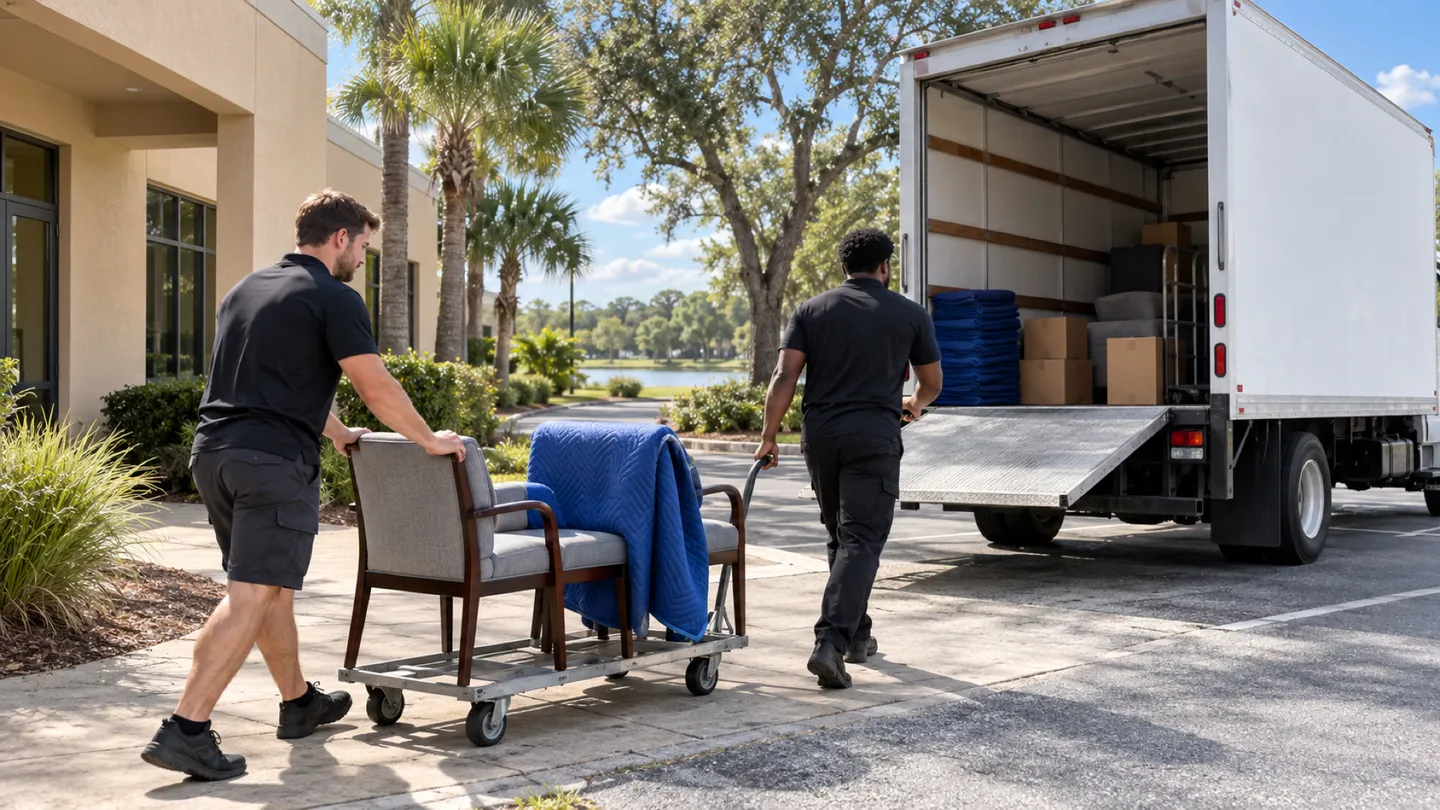
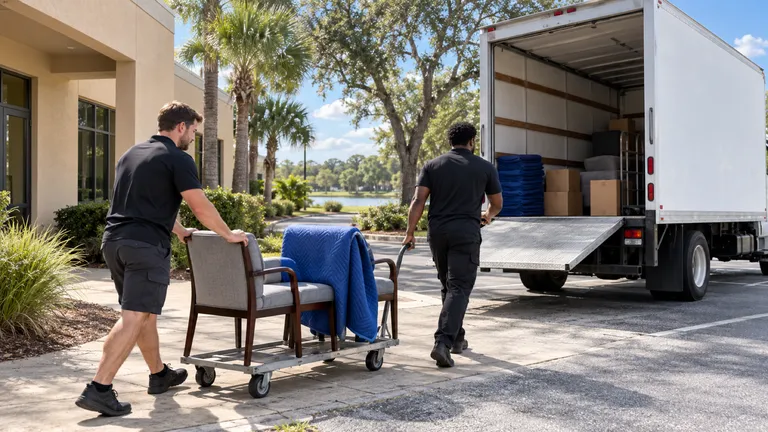
Specialty Clinic moving in St. Johns County and Jacksonville: moving crew at work
  • Licensed & Insured Fully Covered
  • Owner-Operated By Devin Vangel
  • Northeast Florida St. Johns + Duval + Beyond

Start your free specialty clinic move quote

verified For estimate purposes only credit_card_off No credit card required

Planning a Specialty Clinic Move

A specialty practice usually has two kinds of rooms. Consult and exam rooms look like any medical office: an exam table, stools, a cabinet, a wall-mounted monitor. Procedure rooms are different. A dermatology suite has lasers and a procedure chair; an orthopedic office has digital x-ray and a cast room; a GI or ENT practice has scopes, towers, and a reprocessing room with plumbed washers; a cardiology office has stress-test treadmills and echo machines.

Equipment in the procedure rooms is taken down and reinstalled by the vendors who service it, and ceiling-mounted lights and booms stay with your contractor. Where the practice performs office-based surgery, Florida registers the office itself, so the physician lead handles that paperwork for the new suite. Our crew moves the exam and consult rooms, the lobby, check-in and checkout, provider offices, and the business office, each labeled by room number, and we move the procedure rooms’ freestanding casework and carts once the vendors have cleared them.

Who usually signs off
Practice administrator, with the physician lead and the nurse manager approving the procedure-room schedule
Timing that works
Around the procedure calendar, often a Thursday or Friday close with vendors in the procedure rooms before our crew

What typically moves

  • Consult and exam room furniture Exam tables, stools, side chairs, and freestanding cabinets moved by room number from your floor plan.
  • Procedure-room carts and freestanding casework Moved empty once vendors have cleared scopes, lasers, and instruments.
  • Cast room cabinets and the splint cart Empty only; plaster, fiberglass rolls, and supplies are packed by staff.
  • Waiting room seating and check-in counter Counter sections split at their joints and padded; chairs moved in rows.
  • Provider offices and nurse station Desks, bookcases, and nurse-station counters labeled by provider and room.
  • Business office and billing desks Desks, chairs, and emptied file cabinets set by seat number.

Access and scheduling

Specialty practices often move into Southside medical buildings, the San Pablo Rd corridor, or newer buildings in Nocatee and along CR 210, where the landlord books the loading door and elevator and may want the move after hours. We collect those rules in writing and schedule vendors and our crew around them.

The procedure calendar sets the week. Vendors usually need a day to decommission lasers, scopes, imaging, and reprocessors, and another to install and test. We plan our move between those visits: consult rooms and offices go out once the last patient leaves, procedure rooms’ freestanding furniture follows after the vendors clear it, and at the new suite we set procedure rooms first so vendors have space to install. The nurse manager decides when procedures resume.
Protection and handling

Procedure rooms usually have new finishes and narrow doorways. Jambs get pads, floors get runners, and we move carts and casework upright, strapped, and padded. Nothing in a procedure room is moved until the vendor confirms their equipment is out or ready.

Our crew doesn’t handle instruments, scopes, lasers, medications, or anything with patient information. If a cart or cabinet still has contents, we tape it shut and hand it to your nurse manager. The practice keeps its privacy procedures, and your staff pack anything sensitive before we arrive.

At the new suite, the order flips. Procedure rooms get their freestanding casework and carts first, placed from the vendor’s room drawing, so field engineers can start installing while we work through the exam rooms, offices, and waiting area. Every room is labeled on its door as well as on the plan, which keeps vendors and crew out of each other’s way.

Who does what

Some of this job belongs to other trades. The written plan names each one.

Lasers, scopes, towers, and reprocessing washers
Each equipment vendor decommissions, moves, installs, and tests them; plumbed units are connected by a licensed plumber.
Digital x-ray, echo, and stress-test systems
The imaging or cardiology vendor handles removal and installation; the practice handles its state x-ray registration change.
Ceiling-mounted lights, booms, and medical gas
Your contractor and medical gas vendor; these stay with the building unless the contractor removes them.

Not part of our work

  • Moving or setting up any procedure equipment, scope, laser, or imaging system.
  • Handling instruments, medications, or patient information.
  • Disconnecting plumbing, medical gas, or electrical service.

Around St. Johns County and Jacksonville

Specialty suites on the First Coast often sit in the medical buildings around the Southside near Baptist and UF Health locations, off San Pablo Rd close to the Beaches, and in newer buildings in Nocatee and on US-1 toward St. Augustine. Shared buildings usually set strict move hours.

The crew that shows up

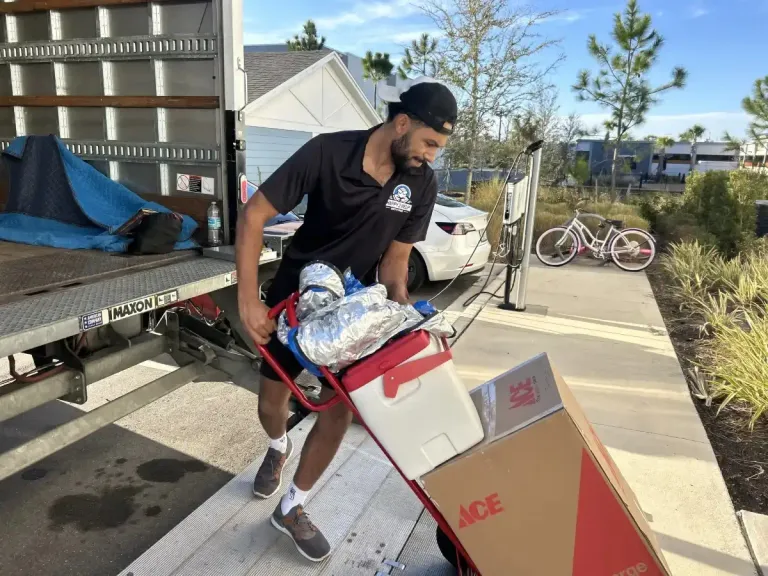
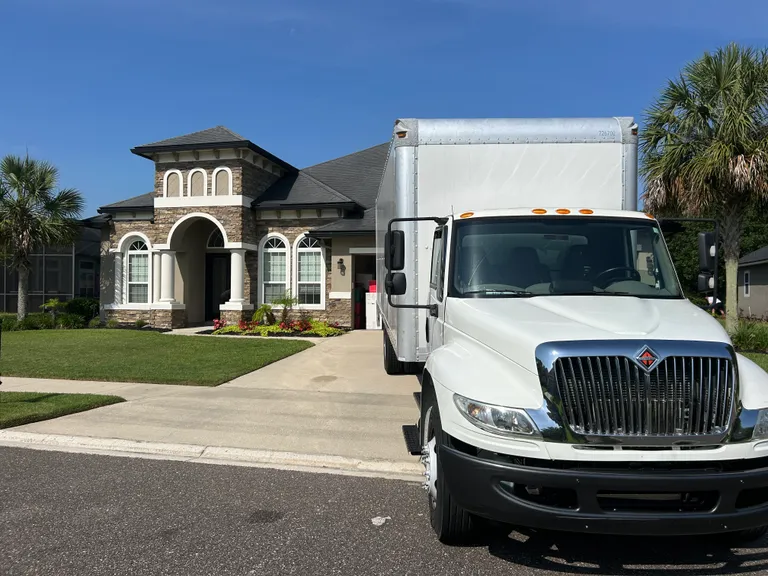
Mover in a black polo pulling a loaded hand truck off the liftgateWhite box truck at the curb outside a home with palm trees

Specialty Clinic Moving FAQs

Another question? Call (904) 209-9277.

How do we coordinate several equipment vendors on the same weekend?

We write a sequence with each vendor’s arrival and finish times, which rooms they need empty, and which rooms we clear first. We share it with your nurse manager and each vendor ahead of time so nobody arrives to a room that isn’t ready. Changes go through your administrator.

Our reprocessing room has plumbed washers. Who handles them?

The washer vendor and a licensed plumber disconnect and reconnect them, since they’re tied to water, drainage, and sometimes chemical dosing. Once staff have emptied the room’s freestanding shelving and carts, we move those and set them where the new reprocessing room’s drawing shows them.

Can our consult rooms open before the procedure rooms?

Often, yes. If the new suite’s consult and exam rooms are ready, we move them first and your providers can see patients while vendors finish the procedure rooms. We label each stage separately so rooms aren’t mixed between loads, and the procedure rooms come across once their vendors are ready.

Do we need to notify anyone about moving our procedure rooms?

That depends on your specialty and what you do in the office. Office-based surgery, x-ray, and some laboratory testing come with registrations tied to the address, and your practice handles those. We don’t advise on the requirements, but we plan our dates around whatever your team confirms.

Plan your business move

Tell us both addresses, the building rules you know about, and the dates you cannot move. We will send back a written plan and estimate.

Call (904) 209-9277

Mon–Sun 8:00 AM – 7:00 PM

Call Now call 904-209-9277