
Healthcare & Medical

Urgent Care Moving Around a Walk-In Schedule

Walk-in clinics can’t close for a week. We stage what can move early and clear the old building after the last patient, so the doors reopen fast.

(904) 209-9277
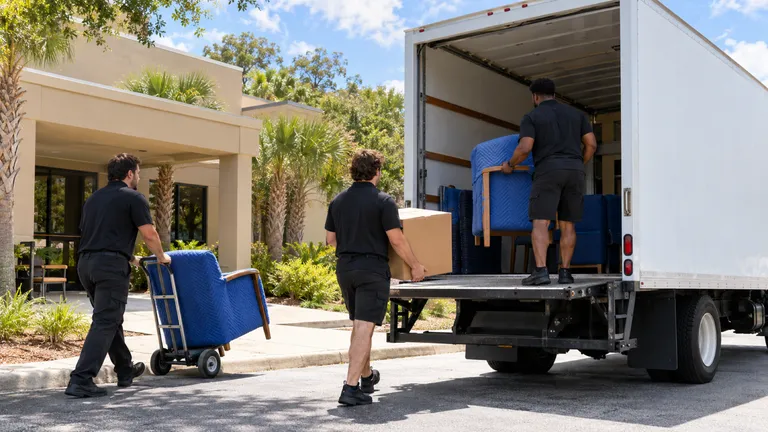
Urgent Care moving in St. Johns County and Jacksonville: moving crew at work
  • Licensed & Insured Fully Covered
  • Owner-Operated By Devin Vangel
  • Northeast Florida St. Johns + Duval + Beyond

Start your free urgent care move quote

verified For estimate purposes only credit_card_off No credit card required

Planning a Urgent Care Move

An urgent care center runs seven days a week and patients walk in without appointments, so the real question in a move is how few hours the doors must be shut. The answer depends on how much of the new building can be ready before the old one closes.

We split the work into two parts. The first covers anything the clinic isn’t using day to day: spare exam tables still in their crates, overflow waiting-room chairs, back-stock shelving, the second break-room table, and the office furniture of anyone who can work from the new building early. That goes over in daytime loads the week before. The second part is the working clinic itself, which leaves after the last walk-in: the triage room, the exam rooms in use, the x-ray room’s furniture, the supply room, and the front desk. Your x-ray vendor and equipment techs take care of their devices on the same night, and the medical director decides when the new site is ready to see its first patient.

Who usually signs off
Clinic manager or regional operations lead, with the medical director approving the closure and reopening times
Timing that works
Early loads in the days before, then one evening close and a next-day or second-day reopening agreed with the medical director

What typically moves

  • Exam and procedure-room tables Numbered to the new room plan; power tables lowered and unplugged by staff before we lift them.
  • Triage station and wheelchair bay Chairs, a freestanding counter, and the wheelchairs, which roll onto the truck last and off first.
  • Supply-room wire shelving Emptied by staff, knocked down by shelf, and stood back up at the new site ahead of the cartons.
  • Waiting-room seating and check-in counter Overflow chairs go early; the working rows and the counter move after closing.
  • Splint and cast cart, crash-cart shell Only once clinical staff have emptied and released them; the crash cart’s contents are theirs.
  • Provider workroom and break room Charting desks, lockers, a table, and a freestanding fridge emptied by staff.

Access and scheduling

Most walk-in clinics on the First Coast sit on outparcels in busy retail centers, along A1A at the Beaches, on SR 16 and US-1 near St. Augustine, or off CR 210 in Nocatee. The parking lot is shared and the clinic’s front door is usually the only wide entry, so we check with the landlord on where a truck may sit after hours and whether a rear door can be used.

For the final night, the sequence is written down with times. Staff close to walk-ins and clear the clinical supplies. Equipment techs take down the x-ray unit and point-of-care analyzers. We clear the exam rooms, triage, and front desk, then set them at the new building by room number. The clinic keeps a contact on site until the last room is placed, so any question about the layout gets answered that night.
Protection and handling

Speed can’t mean carelessness in a clinic. Every exam table is strapped upright to a dolly, and cabinets and counters get corner guards, since the new building’s finishes will be judged by patients the next morning. Wire shelving posts and clips are bagged by unit, so the supply room can be rebuilt quickly without a missing clip slowing the reopening.

Medications, vaccines, sharps containers, specimens, and patient paperwork remain with your clinical staff. Our crew doesn’t open drawers in exam rooms or the workroom; if a drawer is full, we tape it shut and ask. The in-house lab’s CLIA certificate and the x-ray registration are tied to the address, so your administrator handles those updates on the clinic’s own timeline.

Who does what

Some of this job belongs to other trades. The written plan names each one.

Digital x-ray and its image workstation
Your imaging vendor takes the unit down and reinstalls it; the clinic files the state x-ray registration change.
Point-of-care analyzers, EKG, and vitals monitors
The manufacturer or your biomed vendor moves or releases them and checks them before patients are seen.
Check-in kiosks, EHR, network, and phones
Whoever runs the clinic’s technology, with the EHR vendor; we reconnect only the workstation screens and computers at each desk.

Not part of our work

  • Moving medications, vaccines, sharps, specimens, or anything with patient information.
  • Deciding when the clinic may reopen or what its licensing updates require.
  • Disconnecting or testing any medical device.

Around St. Johns County and Jacksonville

Walk-in clinics along A1A, SR 16, and CR 210 see heavy spring and summer visitor traffic, and a Saturday closure costs more than a weekday one. Many clinic operators pick a Tuesday or Wednesday evening for the final move for that reason.

The crew that shows up

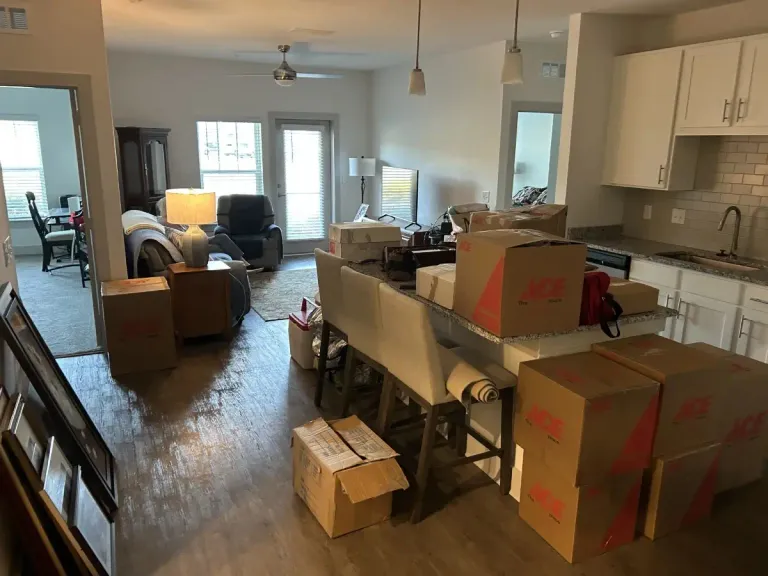
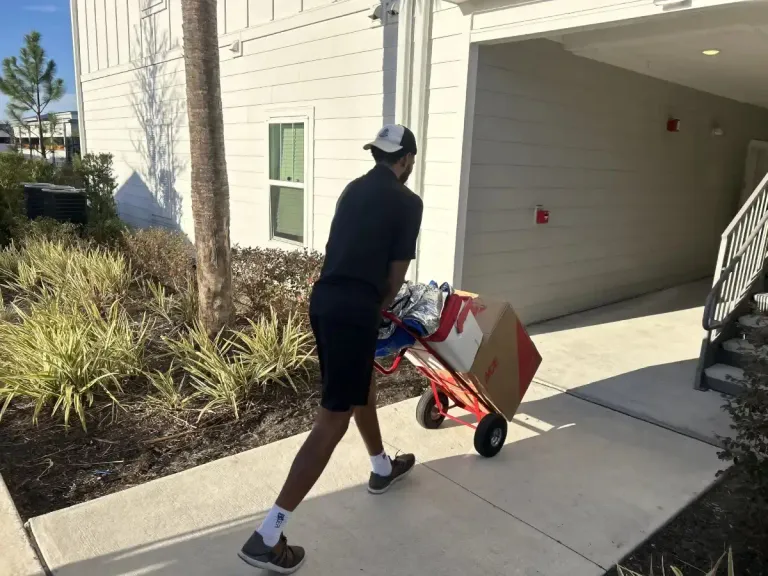
Packed boxes staged indoors partway through a moveMover wheeling a hand truck of boxes along a walkway

Urgent Care Moving FAQs

Another question? Call (904) 209-9277.

How short can our closure be?

That depends on the new building and the vendors, not only on us. If the supply room, spare furniture, and offices go over ahead of time, the working clinic can often be cleared in one evening. Reopening waits on the medical director, the x-ray vendor, and the IT cutover, so we plan around their timings.

Can we open the new building before every room is finished?

Some clinics open with fewer exam rooms and add the rest later. If that’s your plan, tell us which rooms need to be ready first and we load them first. The remaining rooms come across in a later load, labeled separately so nothing ends up in a room staff are already using.

Our new clinic is a former retail space. Does that change the move?

Mostly it affects access. Retail conversions often have one front door and a service door near the dumpster, and the landlord may limit truck hours. We walk the route early, measure door widths for the exam tables, and set the evening schedule around the parking lot.

Who moves the crash cart?

Clinical staff handle its contents and decide when it’s empty. Once released, we can carry the cart itself upright and strapped. Many clinics keep a stocked cart at the old site until the last patient leaves and bring it over with a staff member, so emergency supplies never sit on our truck.

Plan your business move

Tell us both addresses, the building rules you know about, and the dates you cannot move. We will send back a written plan and estimate.

Call (904) 209-9277

Mon–Sun 8:00 AM – 7:00 PM

Call Now call 904-209-9277