Retail, Restaurant & Hospitality

Auto Parts Store Moving in St. Johns County and Jacksonville

Keep the aisle and bin map intact as shelving, counter stock, and heavy parts move to the new store.

(904) 209-9277
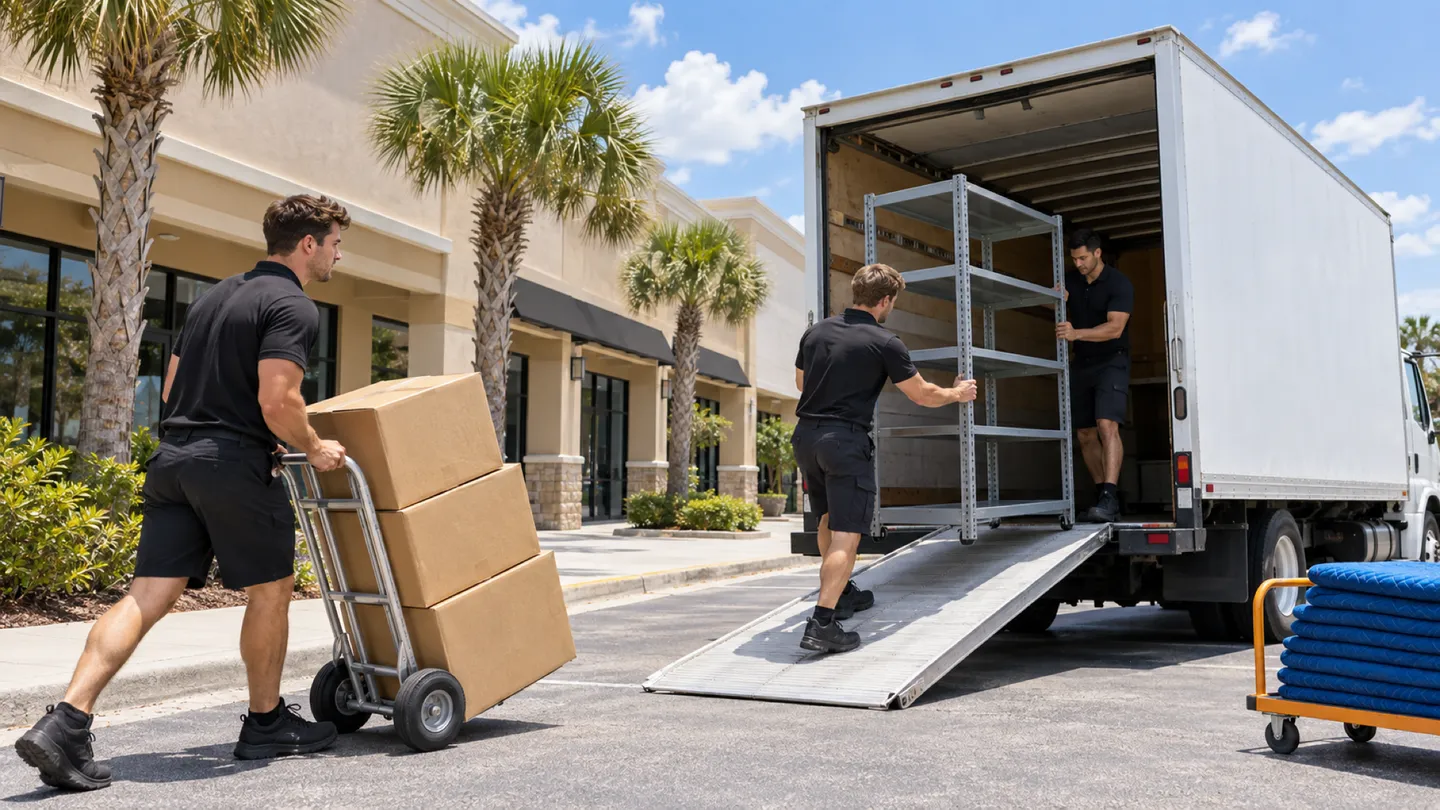
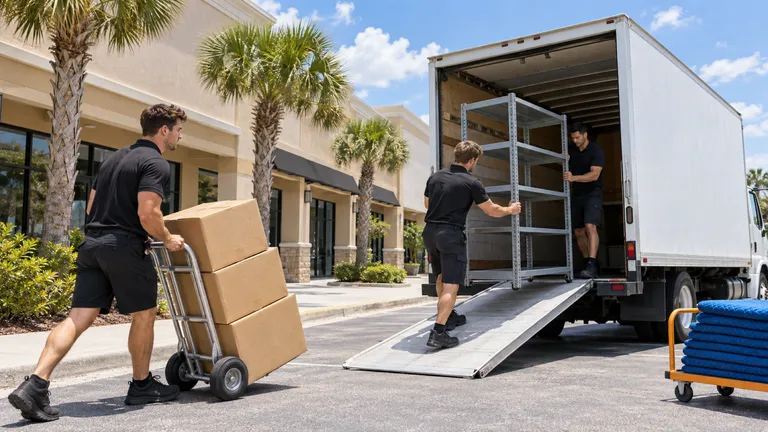
Auto Parts Store moving in St. Johns County and Jacksonville: moving crew at work
  • Licensed & Insured Fully Covered
  • Owner-Operated By Devin Vangel
  • Northeast Florida St. Johns + Duval + Beyond

Start your free auto parts store move quote

verified For estimate purposes only credit_card_off No credit card required

Planning a Auto Parts Store Move

An auto parts store lives on bin addresses. When a mechanic calls the counter for a water pump, the clerk knows it sits in aisle seven, bin forty-two, and a move that scrambles those addresses costs sales for weeks after the doors reopen. So the plan starts with a crosswalk: every old bin matched to its new one, signed off by your store lead before the first shelf is emptied.

Your staff freeze the count, set aside the stock the counter needs through closing, and box each bin with both addresses on the carton. Our crew takes down the freestanding shelving by section, moves it empty, and has every aisle standing on the new floor while the cartons are still on the truck. Then the cartons go to their new bins in the order your pick path runs, heavy rotors and drums on low shelves first, small fittings and filters last. Batteries, oil, coolant, and aerosols follow a separate plan that your store and its suppliers handle, so they stay off our load.

Who usually signs off
Store owner or district manager who approves the inventory map, closure window, and receiving layout
Timing that works
After the last counter sale and an inventory freeze, usually closing one evening and reopening after the weekend, with a second date held in storm season

What typically moves

  • Gondola and bin shelving sections Emptied, tagged with old aisle and new position, and rebuilt in the order the new pick path needs.
  • Brake rotors, drums, and hubs Split into sturdy cartons at a two-person weight rather than piled high, each carton carrying its source and destination bin.
  • Starters, alternators, and remanufactured units Grouped by aisle, with worn boxes taped or re-boxed before stacking; your staff keep core returns on their own pallet.
  • Small-parts drawer cabinets Each drawer is taped closed or carried in their own trays, each tied to the cabinet section it came from.
  • Filters, belts, and wiper blades Light and easy to confuse, so boxed strictly by bin code and shelved only after the heavy stock is in.
  • Counter catalog terminals and receipt printers Labeled by station, padded for the ride, and hooked back up in the same counter spot so your provider can test them.

Access and scheduling

Parts stores rarely close for long, because the shops they supply keep working. The usual pattern is to clear the back aisles during the last trading days, close the counter on a Friday or Saturday evening, and carry the active stock and counter that night and the next day. A weekend crew can be booked for that final stretch. Your manager decides whether a sister store covers the counter while you are closed.

Strip-center landlords along US-1, SR 16, and the Westside near I-10 often limit trucks to the back lane and want them gone before morning, and some ask for proof of insurance naming them, which we send once you forward their wording. Dense stock makes for heavy loads, so we plan the truck count on weight, not volume. Between June and November a second date stays on the calendar.

Protection and handling

The crosswalk is the protection. Each carton shows two addresses, old bin and new, and our crew reads only the new one at unloading, so nothing is shelved by guesswork. If a destination bin isn’t assigned yet, the carton goes to a marked holding row on the sales floor and your lead updates the map before it is put away.

Heavy parts damage lighter ones, so rotors and drums load low and forward on the truck and not on top of filter or gasket cartons. Shelving uprights are padded and strapped apart so paint and bin labels don’t scrape off. Florida humidity raises flash rust on bare rotors and softens cardboard, so cartons stay closed and indoors until their aisle is called. Your staff verify quantities as each aisle fills; our crew places stock and leaves the counting to them.

Who does what

Some of this job belongs to other trades. The written plan names each one.

Inventory count, bin crosswalk, and open orders
Your store lead assigns the new bin addresses, checks quantities, and keeps customer special orders at the counter; we pack and place to that map.
Anchored shelving and wall-mounted displays
Your fixture installer unbolts these before we arrive and bolts them down again in the new building. We move the released sections empty.
Batteries, motor oil, coolant, and aerosols
Your store and its suppliers move these under their own procedures, along with core returns; our crew leaves them off the truck.

Not part of our work

  • Counting stock or changing bin assignments in your inventory system.
  • Carrying batteries, fluids, aerosols, or other hazardous materials.
  • Drilling, anchoring, or removing fixtures fastened to the building.

Around St. Johns County and Jacksonville

Parts stores across the First Coast sit in strip centers on US-1 through St. Augustine, SR 16 toward World Golf Village, Arlington, the Westside near I-10, and Orange Park, most with a rear service door onto a shared lane. Those lanes are often busy with neighbors’ deliveries in the morning, which pushes loading toward the evening.

The crew that shows up

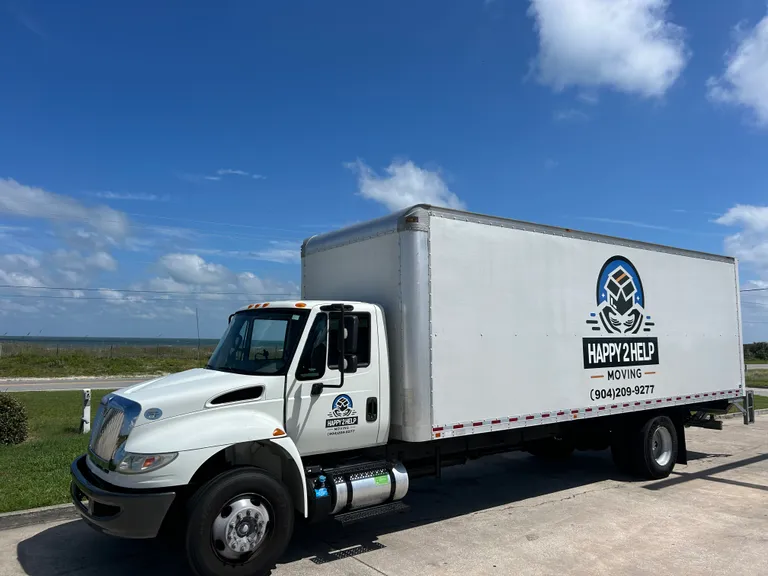
Happy 2 Help Moving crew lead in a black company poloHappy 2 Help Moving box truck with the company logo

Auto Parts Store Moving FAQs

Another question? Call (904) 209-9277.

How do we keep our bin numbers straight if the new store is laid out differently?

Your store lead builds a crosswalk from every old bin to its new address before packing starts. We put both on each carton and shelve by the new one. Anything without a destination yet goes to a marked holding row, and your lead assigns it before it’s put away.

Can the counter keep selling while you clear the back aisles?

Usually, yes. Your manager sets aside the fast-moving stock and the counter terminals, and we clear back aisles and overflow first, working around customers. The counter and its stock move last, after closing, so the store is dark for as short a stretch as the new building allows.

Will you move our batteries and oil with everything else?

No. Batteries, oil, coolant, and aerosols are hazardous materials the crew will not move. Your store and its suppliers handle them under their own procedures. Keep them in a separate area on the day, and we plan the aisle order so their shelves are ready when your team brings them in.

How heavy are the loads, and does that change the truck plan?

It can. A few aisles of rotors, drums, and remanufactured units weigh far more than the same space of filters, so we plan truck loads and crew around weight. We split dense stock into cartons two people can lift, which also makes them easier for your staff to shelve at the new store.

Plan your business move

Tell us both addresses, the building rules you know about, and the dates you cannot move. We will send back a written plan and estimate.

Call (904) 209-9277

Mon–Sun 8:00 AM – 7:00 PM

Call Now call 904-209-9277