Warehouse & Light Industrial

Ecommerce Fulfillment Moving in St. Johns County

Pick shelving, packing stations, and SKU-sealed cartons moved to your new location codes, so the first shift at the new unit picks instead of searches.

(904) 209-9277
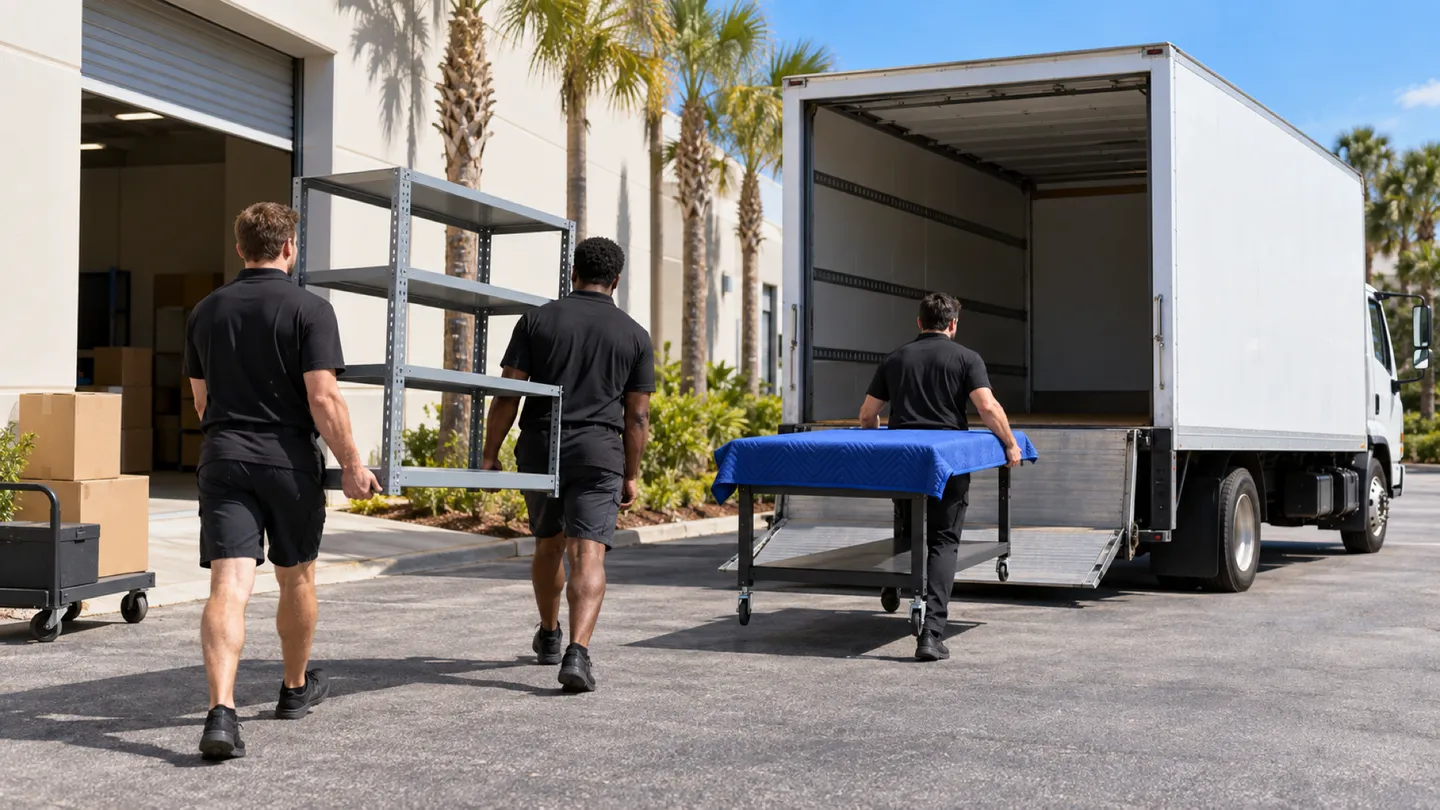
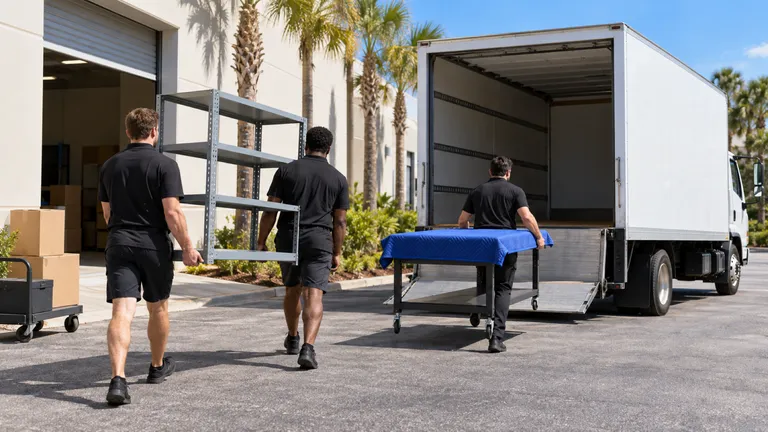
Ecommerce Fulfillment moving in St. Johns County and Jacksonville: moving crew at work
  • Licensed & Insured Fully Covered
  • Owner-Operated By Devin Vangel
  • Northeast Florida St. Johns + Duval + Beyond

Start your free ecommerce fulfillment move quote

verified For estimate purposes only credit_card_off No credit card required

Planning a Ecommerce Fulfillment Move

A fulfillment room works because every SKU has an address. Pickers walk straight to aisle C, bay 4, shelf 2, and the packing bench next to the scale has the right mailers under it. Move the stock without those addresses and the first days at the new unit go to hunting for product while orders stack up.

So the move is planned from your location codes. Your fulfillment lead maps every old pick address to a new one, and your team counts and seals each SKU before it leaves the shelf. Our crew moves the empty shelving first and sets it to the new aisle plan, then brings the stock in by destination code, then the packing stations and supply carts in the order your team wants to restart. Most online sellers on the First Coast move between flex units, often from a smaller space near US-1 or CR 210 in St. Johns County to a larger one on the Westside or the Northside, so timing counts for more than distance. Anchored racking goes to its installer.

Who usually signs off
Fulfillment operations manager or owner who approves the SKU location map, order cutoff, and first-use stations
Timing that works
After the last parcel pickup of the week and before the next order wave, ideally clear of the October through December holiday peak, with a storm backup in August and September

What typically moves

  • Freestanding pick shelving Emptied, tagged with its new aisle and bay, shelf clips and dividers bagged with their own unit.
  • SKU-sealed stock cartons Your team counts and seals; we add the new pick address and keep look-alike products in separate groups.
  • Packing benches Each bench keeps its station number, so the scale, tape gun, and mailer shelf land together again.
  • Mailers, boxes, tape, and void fill Boxed by station; the first-day supplies ride last and come off first.
  • Returns and inspection area Items awaiting inspection travel as their own group, never mixed into sellable stock.
  • Order carts and bin towers Bins taped in place and numbered by cart so the pick routes rebuild the way they ran.
  • Label printers and shipping scales Disconnected by your team, padded and boxed by us, and set on the bench they came from.

Access and scheduling

The date starts with your order calendar. Your operations lead picks the last carrier pickup at the old unit, pauses receiving, and decides how long the store can run on reduced shipping. Most sellers avoid moving between October and the end of December, when holiday orders are heaviest. We plan a weekend or a Friday night into Saturday on request, so Monday’s orders ship from the new room.

Flex units vary. One may have a dock high door, the next only a roll-up at grade, and the aisle between pick rows may be too narrow to turn a loaded cart. We walk both units before the date and plan the unload order around the doors and aisles. Many flex parks ask movers for an insurance certificate before loading; we send it once the park manager gives us the wording.
Protection and handling

SKU accuracy is your count and our labels. Your team resolves mixed bins before handoff, and our crew keeps every sealed carton with its SKU group all the way to its new shelf. A carton with no matching address on the new map waits for your lead instead of going on the nearest shelf.

Shelving comes apart only as far as it has to, with clips and dividers kept per unit so shelves don’t end up at the wrong heights. Bench tops and shelf edges get padded, and floors along the cart route get runners. Summer afternoons in a Florida flex unit without air conditioning soften cardboard and lift adhesive labels, so we load early in the day, keep sealed stock inside, and keep it off open aprons when an afternoon storm is building.

Who does what

Some of this job belongs to other trades. The written plan names each one.

Pallet racking and anchored shelving
Its installer dismantles, resets, and anchors it; we fill it after your lead releases each aisle.
SKU counts, open orders, and returns decisions
Your fulfillment team counts, reconciles, and decides what is sellable; we follow the location labels.
Shipping software, carrier accounts, and connected devices
Your systems contact disconnects and tests the label printers, scales, and anything tied to the order system.

Not part of our work

  • Taking down, setting, or anchoring racking.
  • Counting merchandise or deciding whether returns are sellable.
  • Setting up shipping software or carrier accounts.

Around St. Johns County and Jacksonville

Online sellers often outgrow small flex units in St. Johns County, off US-1 or CR 210, and move into bigger buildings on the Westside near I-10 or the Northside near the airport. The I-95 drive between them is short, but the new door and aisle layout can change the whole unload plan.

The crew that shows up

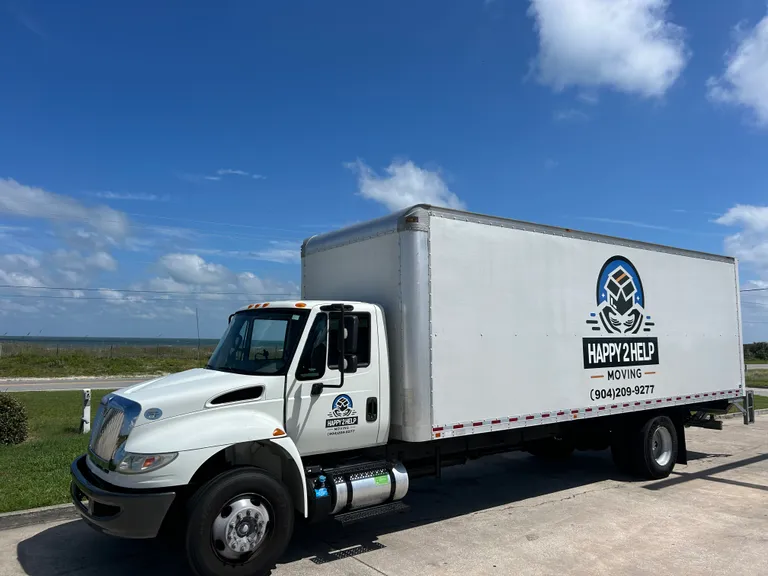
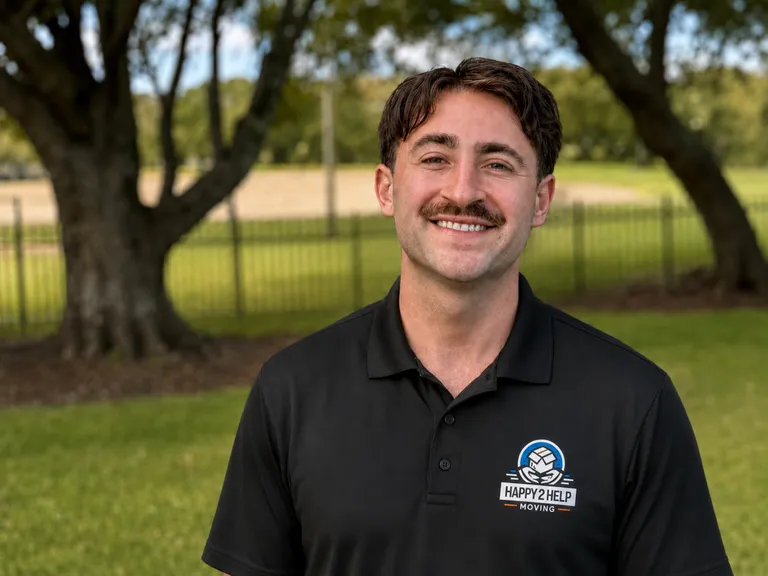
Happy 2 Help Moving box truck with the company logoHappy 2 Help Moving crew lead in a black company polo

Ecommerce Fulfillment Moving FAQs

Another question? Call (904) 209-9277.

Will the storefront have to stop shipping during the move?

Only briefly, and zone by zone. Your lead holds one working zone at the old unit until its last orders are packed, and we move the released zones first. The final zone moves after the last carrier pickup. Your team decides when the storefront shows reduced shipping and when the new unit takes over.

How do you keep look-alike SKUs from landing in the wrong bay?

Your team seals each SKU in its own marked carton, and we add the new aisle, bay, and shelf from your map. Each group rides as one block and is shelved as one block. If two products look the same or a code is missing, your lead sorts it before anything is shelved, since a visual guess can undo a count.

Should the shelving or the stock go first?

Shelving first. Empty units go in and get set to the new aisle plan so every carton has somewhere to land. Then stock arrives by destination code. Packing benches and supplies come last, set in the order your team wants to restart shipping.

When is a bad time of year for a fulfillment move?

For most sellers, October through December, when holiday order volume peaks and a lost day costs the most. Late summer is also peak hurricane season in Northeast Florida, so an August or September date should come with a backup. Many sellers find late winter or spring the easiest window, but your sales calendar decides.

Plan your business move

Tell us both addresses, the building rules you know about, and the dates you cannot move. We will send back a written plan and estimate.

Call (904) 209-9277

Mon–Sun 8:00 AM – 7:00 PM

Call Now call 904-209-9277