Retail, Restaurant & Hospitality

Restaurant Moving in St. Johns County and Jacksonville

Licensed trades take the gas, water, and refrigeration off the line; our crew moves the dining room, the bar furniture, and the dry side of the kitchen.

(904) 209-9277
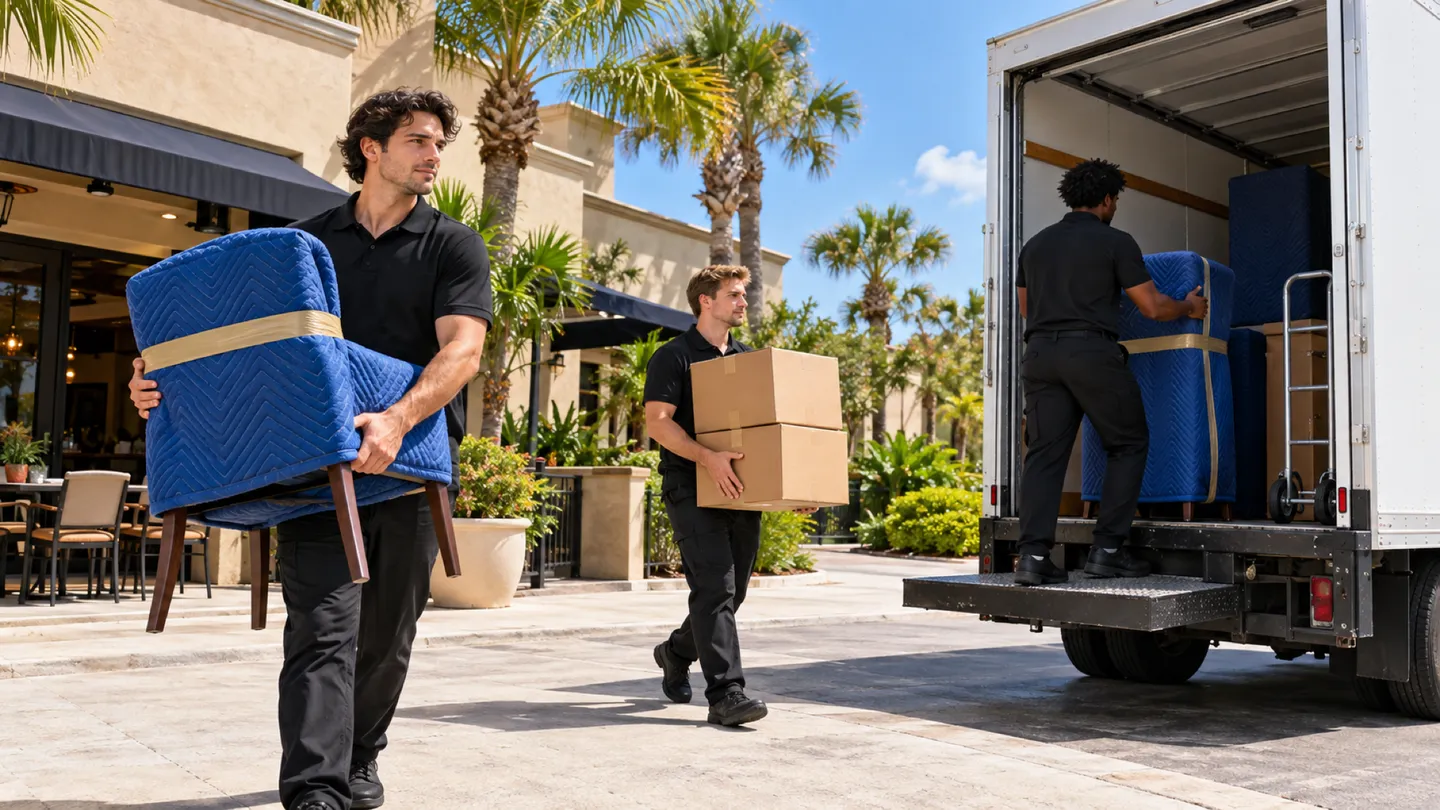
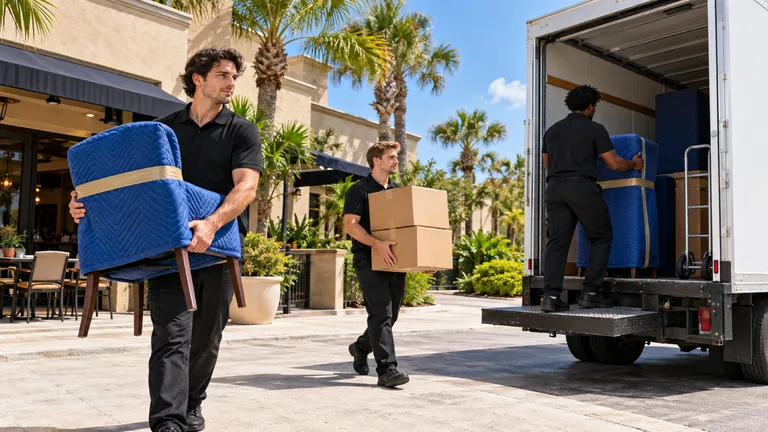
Restaurant moving in St. Johns County and Jacksonville: moving crew at work
  • Licensed & Insured Fully Covered
  • Owner-Operated By Devin Vangel
  • Northeast Florida St. Johns + Duval + Beyond

Start your free restaurant move quote

verified For estimate purposes only credit_card_off No credit card required

Planning a Restaurant Move

Most First Coast restaurant moves are really two jobs that share a truck. One is the front of house: host stand, two-tops and four-tops, booths that aren’t bolted down, bar stools, and the plates, glasses, and flatware that set every table. The other is the kitchen, where the heavy equipment is tied into gas, water, drains, and power, and none of that is ours to touch.

A licensed plumber or gas contractor takes the range, fryers, and flat-top off the line, a refrigeration tech handles any reach-in or prep cooler that’s going with you, and the hood and its suppression system usually stay with the space. Once a piece is released, empty, and cleaned, our crew can carry it. Walk-in coolers stay where they were built. If you pour beer, wine, or spirits, the licensee handles that inventory under its own license, and it stays off our truck. What we bring is a dining room that arrives by table number and a dry kitchen that arrives by station.

Who usually signs off
Restaurant owner or general manager who signs off on the closing service, vendor appointments, and new floor plan
Timing that works
The night of the last dinner service, once the kitchen is broken down, with the trades booked before and after the carry; late-summer dates carry a second night

What typically moves

  • Host stand and POS stations The host team pulls menus and reservation tablets; your POS provider unplugs the terminals, and the stands travel padded and tagged for the new entrance.
  • Freestanding booths, tables, and dining chairs Tagged to table numbers on your seating chart, tops blanketed, chairs stacked by section so the floor is set in one pass.
  • Bar stools and loose back-bar shelving Emptied by the bar staff first; shelf pins and brackets are bagged and taped to their unit.
  • China, glassware, and flatware Boxed in cell cartons after the final wash, marked by station: bar, expo, or dining.
  • Sheet-pan racks and prep carts Emptied and wiped down by the line; pans travel apart from the rack so nothing slides out in transit.
  • Released cooking equipment on casters Carried only after the trade caps and releases it; we measure every doorway on both ends first.

Access and scheduling

Your last service sets the clock. The line breaks down after close, the trades take the cooking line offline that night or early the next morning, and we load the dining room while they work in the kitchen. Evening loading is something we can plan when your closing time and the trade appointments are fixed.

Plazas along A1A, near Nocatee Town Center, and in San Marco usually share one rear service lane with the neighboring tenants, and some landlords close it during lunch. We confirm the lane hours and the back-door width with both landlords before booking a truck. The new space often isn’t ready until the health inspection and the hood contractor sign off, so we pencil in a second night for reopening, especially in August and September.
Protection and handling

A restaurant floor is slick with grease, so we runner the path from the kitchen door to the truck before anything heavy rolls. Stainless edges get corner guards, and booth upholstery is shrink-wrapped so it doesn’t pick up grime from the truck floor.

Food, including anything frozen, stays off our truck. Your staff empty, clean, and dry every cooler, bin, and shelf, and product moves under your own food-safety plan. Afternoon storms in summer can soak a dining-room chair stack in minutes, so we load from covered doors where the building has them and keep cardboard inside the truck between trips. At the new space, tables go down by your seating chart and smallwares go to the station printed on each carton.

Who does what

Some of this job belongs to other trades. The written plan names each one.

Gas, water, drain, and electrical connections on the line
A licensed plumber, gas contractor, or electrician disconnects them and caps the lines, then hooks up and checks every unit in the new kitchen.
Reach-ins, prep coolers, ice machines, and walk-ins
Your refrigeration contractor releases the portable units and handles refrigerant work; walk-ins stay installed and any new one is the contractor’s project.
Hood, fire-suppression system, and grease trap
They usually stay with the space. Your hood and fire-suppression contractors service or install them at the new address.
Beer, wine, and spirits
The licensee moves its own alcohol inventory and keeps its own records.

Not part of our work

  • Touching any gas, water, refrigerant, or electrical connection.
  • Carrying food, open ingredients, or alcohol.

Around St. Johns County and Jacksonville

Restaurant space on the First Coast runs from beach strips along A1A in Jacksonville Beach and St. Augustine Beach to San Marco and Riverside storefronts and the newer plazas around Nocatee Town Center. Spring tourist traffic and summer weekends crowd both the dining rooms and the loading lanes, which is why most owners move on a weeknight.

The crew that shows up

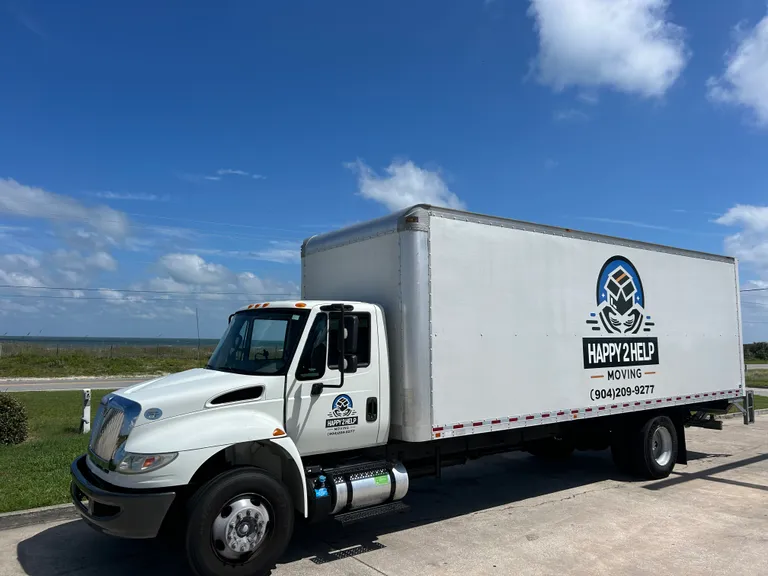
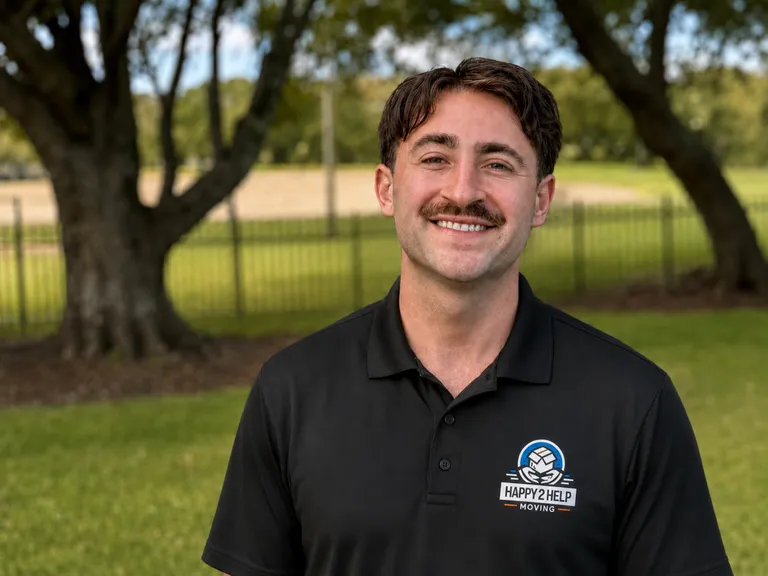
Happy 2 Help Moving box truck with the company logoHappy 2 Help Moving crew lead in a black company polo

Restaurant Moving FAQs

Another question? Call (904) 209-9277.

Can we serve dinner on our last night and still move the dining room that night?

Usually, yes. Keep only what the final service needs out on the floor; we can box the backup china and unused sections earlier in the day. After the last check closes and the floor is swept, we tag and load the tables and chairs while the trades work in the kitchen.

Our new kitchen has a different line. How do you know where each piece goes?

Send us the kitchen drawing from your equipment dealer or designer. We mark each released piece against that drawing before it leaves and set it in the right bay. Final leveling, connections, and anything touching the hood line are the trade’s work after placement.

What happens to the smallwares from the dish pit?

Run them through the dish machine one last time and let them dry. We box plates, glasses, and flatware in divided cartons marked for the station where they’ll be used, so your team can unpack the pass and the bar first and leave the backup stock for later.

The new space is still waiting on its health inspection. Should we still book?

Book the move and a second date together. Inspection and hood sign-off schedules are out of your hands, so keeping a backup night lets you slide without losing the crew. We confirm both dates once the contractor gives you a realistic inspection window.

Plan your business move

Tell us both addresses, the building rules you know about, and the dates you cannot move. We will send back a written plan and estimate.

Call (904) 209-9277

Mon–Sun 8:00 AM – 7:00 PM

Call Now call 904-209-9277