Education, Civic & Community

Museum and Gallery Moving in St. Johns County and Jacksonville

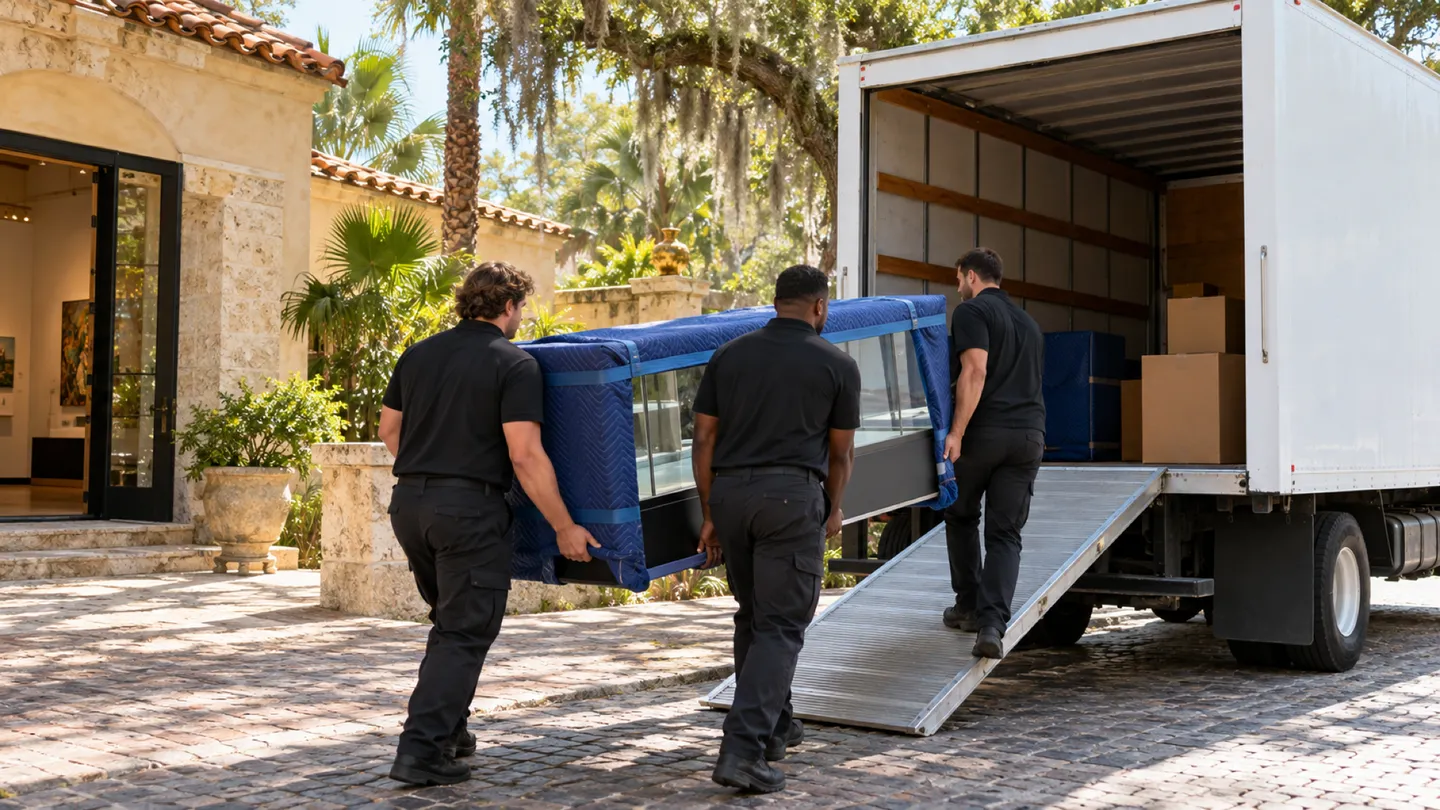
Your curator or registrar decides how each work travels. We build crates and move cases, plinths, and back-of-house furniture around the historic district.

(904) 209-9277
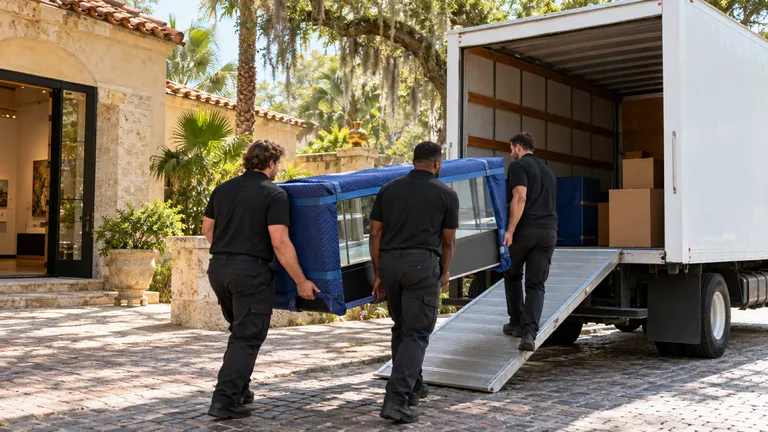
Museum & Gallery moving in St. Johns County and Jacksonville: moving crew at work
  • Licensed & Insured Fully Covered
  • Owner-Operated By Devin Vangel
  • Northeast Florida St. Johns + Duval + Beyond

Start your free museum & gallery move quote

verified For estimate purposes only credit_card_off No credit card required

Planning a Museum & Gallery Move

In a museum or gallery, the objects are not ours to decide about. The curator, registrar, or gallery owner decides which works travel, how each one is packed, and whether a work on loan can move at all, since a lender’s agreement may set conditions of its own. We take our handling instructions from that person, in writing, object by object.

Where we come in is the physical move around the art. We can build custom crates for works the registrar has approved for crating, through our custom crating service. We move emptied exhibit cases, plinths, pedestals, and display walls, and we move the back of house: flat files, collections-room cabinets, framing tables, and the office.

Condition reports come before anything moves. Your registrar documents each work’s condition at the old space and again on arrival, and we work to that record. If something looks different from the report, we stop and call the registrar rather than carry on.

Who usually signs off
Gallery owner, museum director, or collections manager who approves the object list, move date, and curator’s handling directions
Timing that works
Between exhibitions, after the last works come down and before the next install, clear of loan return dates, St. Augustine’s First Friday Art Walk evening, and the busiest spring visitor weeks

What typically moves

  • Crated works approved by the registrar Crates built to each work’s size and marked with orientation, handling, and destination room, then carried to the curator’s plan.
  • Freestanding vitrines and exhibit cases Moved empty after staff remove objects and case furniture; glass tops padded or removed as the case maker specifies.
  • Plinths, pedestals, and movable display walls Wrapped on every painted face, since fresh gallery paint scuffs at a touch.
  • Print flat files and map cases Each drawer emptied or secured as the registrar decides, then moved level so contents don’t slide.
  • Framing tables and prep-room shelving Back-of-house furniture moved and set to the new prep-room plan.
  • Gift shop and front-desk fixtures Shelving and counters moved after staff box stock, placed to the new visitor layout.

Access and scheduling

Galleries in St. Augustine’s historic district face narrow streets, limited loading spots, and pedestrian-only blocks like St. George Street, so the truck may stand around the corner and crates travel the last stretch on dollies. We walk the route with you first and plan loads for early morning, before visitors fill the sidewalks. Most St. Augustine galleries open late for First Friday Art Walk, so that evening stays clear, and weekend days in peak visitor season are harder than weekday mornings.

The exhibition calendar sets the window. Work comes down after one show closes, and the new space should be ready before the next install date. Loaned works often go back to lenders on their own schedule, and the registrar may want them gone before the main move starts, so they don’t share a truck or a loading hour with the rest of the collection.
Protection and handling

Handling follows the curator’s instructions for each object, including who may touch it, whether gloves are required, and which way it travels. Anything the registrar hasn’t cleared for our crew, the institution’s own art handlers or a fine-art shipper moves instead.

Florida humidity matters for packing. Crates are built and lined with materials chosen for a humid coast, and works are packed as close to the move as the schedule allows, so they spend little time crated in an un-air-conditioned space. The institution’s own insurance covers the collection, so its risk manager should confirm coverage for the move before we set a date. Exhibit cases ride upright and strapped, with glass handled as the case maker directs, and plinths travel wrapped so their fresh paint arrives unmarked.

Who does what

Some of this job belongs to other trades. The written plan names each one.

Object selection, condition reports, and handling rules
The curator or registrar decides what moves, documents condition before and after, and writes the handling instructions we follow.
Loaned works and high-value pieces
The registrar arranges these under each lender’s terms, often with the institution’s art handlers or a fine-art shipper.
Exhibit lighting, mounts, and hardwired displays
An exhibit installer or electrician takes down and reinstalls track lighting, wall mounts, and wired media.

Not part of our work

  • Choosing which works move, packing them against the curator’s instructions, or handling works the registrar hasn’t released to us.
  • Arranging insurance for the collection or deciding a loaned work’s travel terms.
  • Taking down or rehanging track lighting, wall mounts, or hardwired media.

Around St. Johns County and Jacksonville

St. Augustine’s gallery row runs through the historic district and along the bayfront, with small museums nearby and tight, busy streets. In Jacksonville, San Marco and Riverside galleries sit on older commercial blocks with street loading and neighborhood parking rules.

The crew that shows up

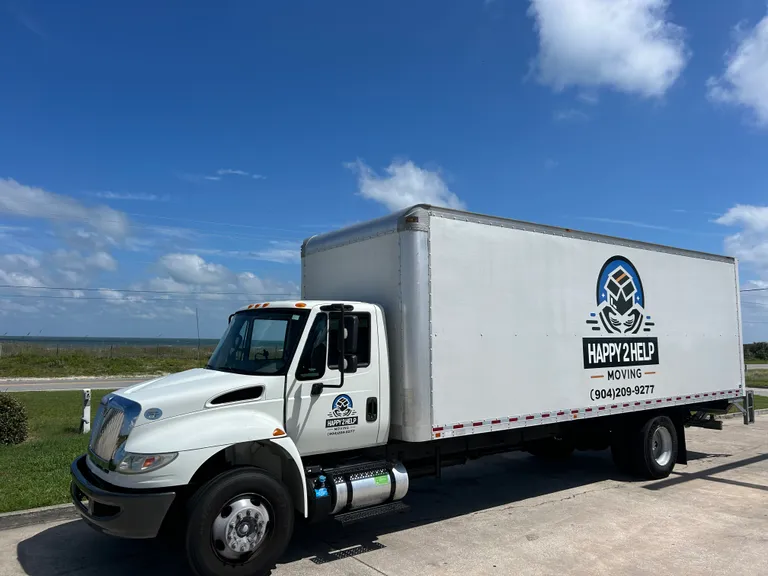
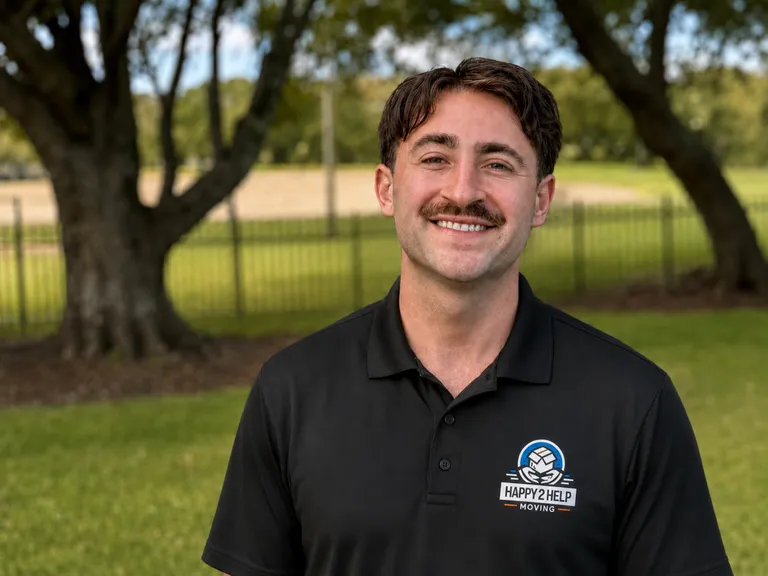
Happy 2 Help Moving box truck with the company logoHappy 2 Help Moving crew lead in a black company polo

Museum & Gallery Moving FAQs

Another question? Call (904) 209-9277.

Can your crew build crates for works our registrar has approved?

Yes. Once the registrar clears a work for crating, we measure it and build a crate to its size and the curator’s packing notes, marked with orientation and destination. Works that need a specialist packer or a lender’s courier stay with the registrar’s chosen handler, and we work around their schedule.

Our gallery is on a pedestrian street in St. Augustine. Where does the truck go?

Usually on the nearest street a truck can legally stand, with crates and cases carried the last stretch on padded dollies. We walk the route with you first, check city loading rules for the block, and plan an early start before foot traffic builds. Heavy pieces go on the dolly route with the fewest curbs.

Do we need to arrange condition reports before the move?

Your registrar should, before anything leaves the wall. Reports made at the old space and again on arrival are the institution’s record of each work’s condition. We work from them, and if a work looks different from its report while we are handling it, we stop and call the registrar.

Who handles the works on loan to our current exhibition?

Your registrar, under each lender’s agreement. Many loans set their own packing, courier, and return terms, and some lenders send their own handlers. We plan the main move around those returns, and can crate or carry a loaned work only if the registrar and lender approve it.

Plan your business move

Tell us both addresses, the building rules you know about, and the dates you cannot move. We will send back a written plan and estimate.

Call (904) 209-9277

Mon–Sun 8:00 AM – 7:00 PM

Call Now call 904-209-9277