Commercial Service

Business Moves in St. Augustine's Historic District

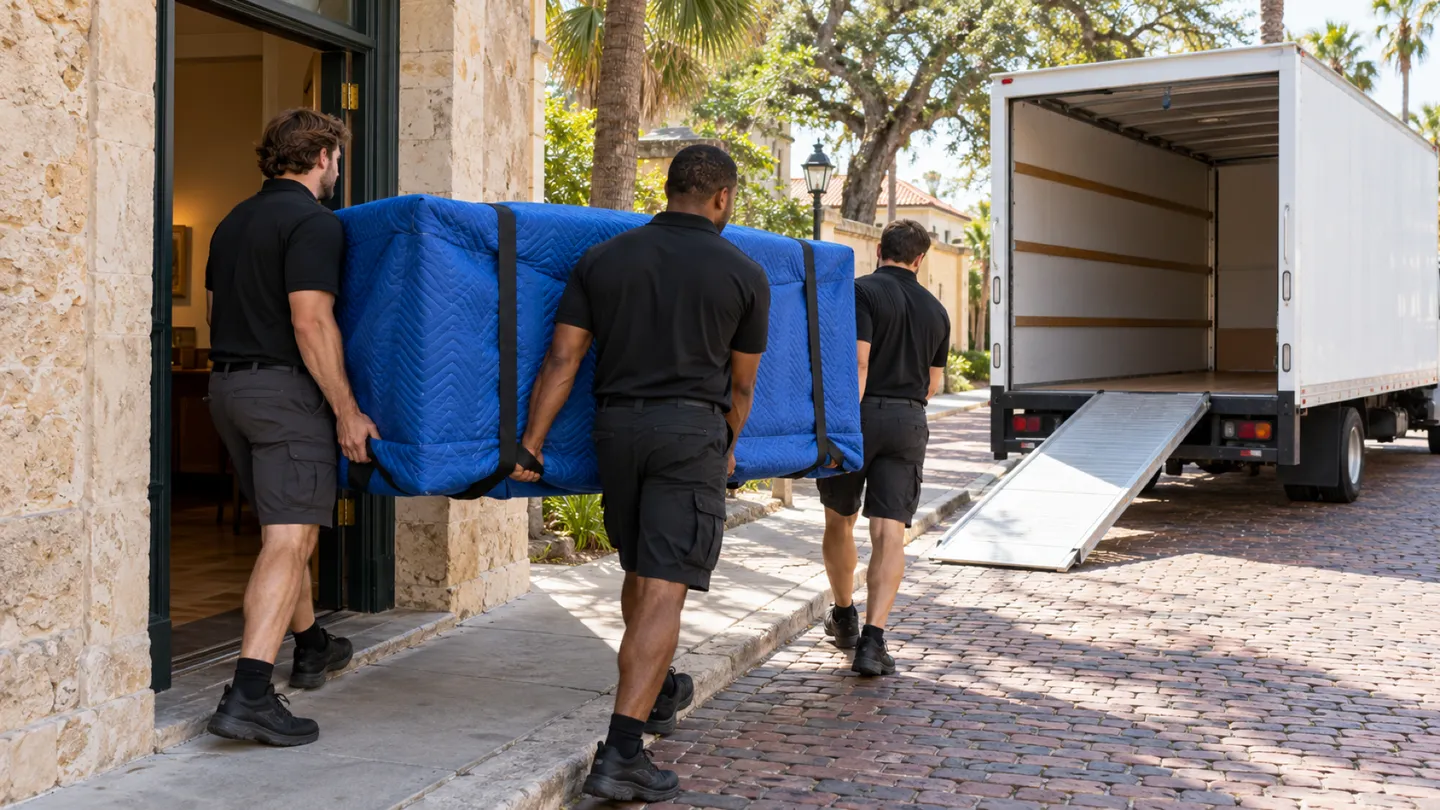
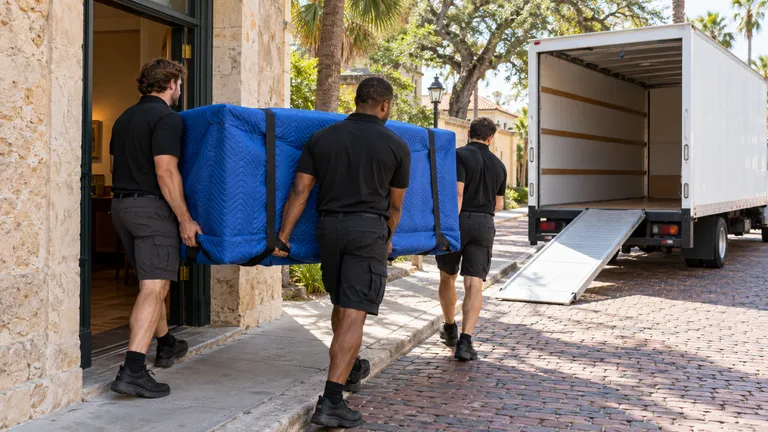
The truck may stop a block away. We plan the hand carry, the stair turns, and the short loading window for shops, galleries, and offices in old St. Augustine.

(904) 209-9277
Historic District Business Moves moving in St. Johns County and Jacksonville: moving crew at work
  • Licensed & Insured Fully Covered
  • Owner-Operated By Devin Vangel
  • Northeast Florida St. Johns + Duval + Beyond

Start your free commercial move quote

verified For estimate purposes only credit_card_off No credit card required

How We Plan Historic District Business Moves

In St. Augustine’s historic district, the hard part of a business move is the last hundred feet. St. George Street is a pedestrian block, so a shop there is loaded by hand cart from wherever a truck is allowed to stand. Aviles St is narrow and brick-paved. Many of the buildings off the bayfront have small front doors, steep stairs with a tight landing, and upper floors reached by nothing wider than a residential staircase.

We plan this kind of move from the doorway outward. First we walk the building with you and measure the bulkiest pieces against every door, turn, and landing, and anything that won’t make the stair is flagged before move day, not on it. Next, you confirm with the landlord, and with the city where needed, where the truck may park and for how long. Before the window opens, the crew packs and wraps inside the shop, so the loading time is spent carrying. Pieces go out in truck order on padded carts or by hand, and the receiving end, whether another historic storefront or a suite on US-1 or SR 16, gets its own access plan.

Who usually signs off
Shop owner, gallery director, or office manager who can approve the inventory and confirm access rules with the city and landlord
Timing that works
An early-morning loading window before shops open, set by the city and landlord rules you confirm; weekday dates outside the spring and summer visitor peaks, with a storm backup from June through November

What typically moves

  • Glass display cases and jewellery counters Removable glass shelves and tops are lifted out, travel in their own padded cartons, and the empty case is carried on edge through the door.
  • Gallery walls of framed work Your gallery team decides the packing method; we carry the prepared pieces upright and keep them together by wall.
  • Gift-shop and boutique stock Packed by display in smaller cartons that one person can carry down a narrow stair.
  • Antique and period display furniture Wrapped with extra corner padding, as older joinery and finishes scuff and split more easily than new pieces.
  • Upstairs office desks and file cabinets Desks come apart where they can; file cabinets are emptied first so they can be carried, not dragged, down historic stairs.
  • Sidewalk signs, planters, and café seating Brought in and wrapped before loading so nothing obstructs the pedestrian path while the crew works.

Access and scheduling

Loading windows here are short and early. Trucks generally need to be done before shops open and the street fills with visitors, so the working time is measured in hours, not a day. You get the approvals: the landlord’s move rules, and any city permission for a truck standing where it normally couldn’t. Our Florida moving permits guide lists the questions worth asking. We then size the crew to finish inside that window, and split the job over two mornings if the volume needs it.

The calendar matters as much as the clock. Spring break, summer weekends, and the winter holidays bring the heaviest foot traffic; a midweek date outside those peaks is easier on everyone. Special events can close streets at short notice, so we reconfirm access a few days out. In hurricane season, a second morning stays pencilled in with you.
Protection and handling

Older buildings are less forgiving than a new retail center. Plaster walls, original door frames, and worn wood or tile floors mark easily, so we pad frames, lay runners on floors and stair treads, and carry rather than roll on uneven thresholds. Where a piece won’t clear a stair landing, it is not forced; you decide whether it is taken apart by your installer, left for the next tenant, or moved another way.

Old brick paving is rough on cart wheels and on anything that tips, so loaded carts are kept low and escorted by a second crew member on the street. The district is humid and often breezy off the bay, and an afternoon thunderstorm can arrive quickly in summer; wrapped pieces stay indoors until the truck has pulled up, then go straight aboard.

Who does what

Some of this job belongs to other trades. The written plan names each one.

Permits, parking, and access hours
You confirm them with the landlord and the city; we work inside what they approve.
Artwork and fragile works needing special packing
Your gallery staff or art handler packs and documents those pieces; we carry what they release. Custom crates are available through our crating service.
Wall-fixed displays, signs, and lighting
Your installer or a licensed electrician removes and reinstalls them, working within whatever limits the building’s owner sets.

Not part of our work

  • Applying for city permits or deciding where a truck may stand.
  • Removing fixtures attached to historic walls or disturbing original building fabric.
  • Payment, phone, and data setup at the new storefront.

Around St. Johns County and Jacksonville

St. George Street, the bayfront, and Aviles St sit a few blocks apart but load very differently: pedestrian block, busy waterfront road, narrow brick lane. Businesses moving out of the district often land along US-1, SR 16, or at St. Augustine Beach, where parking lots make the receiving end straightforward.

The crew that shows up

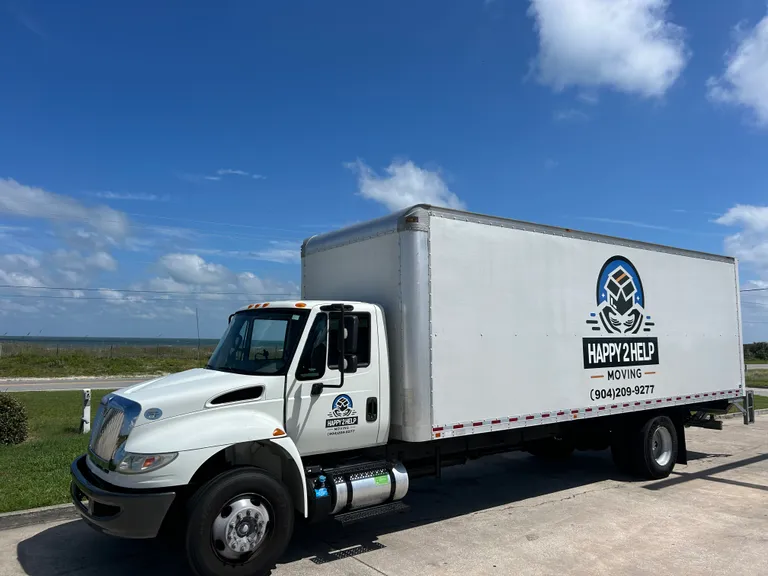
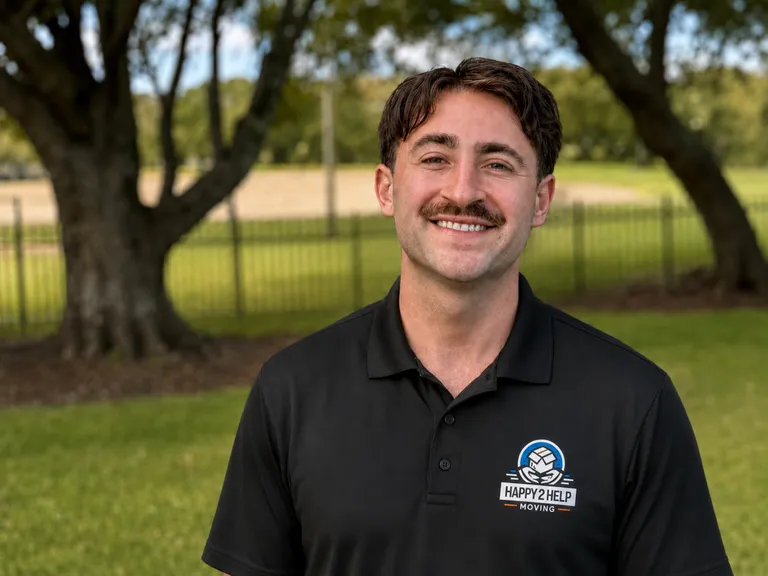
Happy 2 Help Moving box truck with the company logoHappy 2 Help Moving crew lead in a black company polo

Historic District Business Moves FAQs

Another question? Call (904) 209-9277.

Our St. George Street shop has no vehicle access at all. How does stock reach the truck?

By cart or by hand from the nearest spot where a truck may stand, which your landlord or the city confirms. We pack stock into cartons one person can carry, stage it inside the door, and run the carry in a steady line once the window opens. The distance to the truck sets the crew size.

What if our display case will not turn on the stair landing?

We find that out at the walkthrough, not on move day. Some cases come apart at their joints; others need your installer or the maker’s instructions. If neither works, you decide whether it stays for the next tenant or leaves another way. Nothing is forced past historic woodwork.

Is an early-morning start possible so we can open the same day?

Often, yes. Early mornings suit the district anyway, before the street fills. If the volume is small we can clear the old shop, deliver, and set the key fixtures in one early start. Larger moves may need two mornings, with the busiest selling floor cleared last.

We are moving from the district to an office off SR 16. Does anything change at the new end?

The new end is usually simpler: a parking lot, a wider door, maybe a single-story building. We still check the door, the elevator if there is one, and any landlord hours. The historic side sets the timing, because its window is shorter.

Plan your business move

Tell us both addresses, the building rules you know about, and the dates you cannot move. We will send back a written plan and estimate.

Call (904) 209-9277

Mon–Sun 8:00 AM – 7:00 PM

Call Now call 904-209-9277